Locks, Doors & Safes
Keypad Lock vs Smart Lock: Which One Fits Your Door?
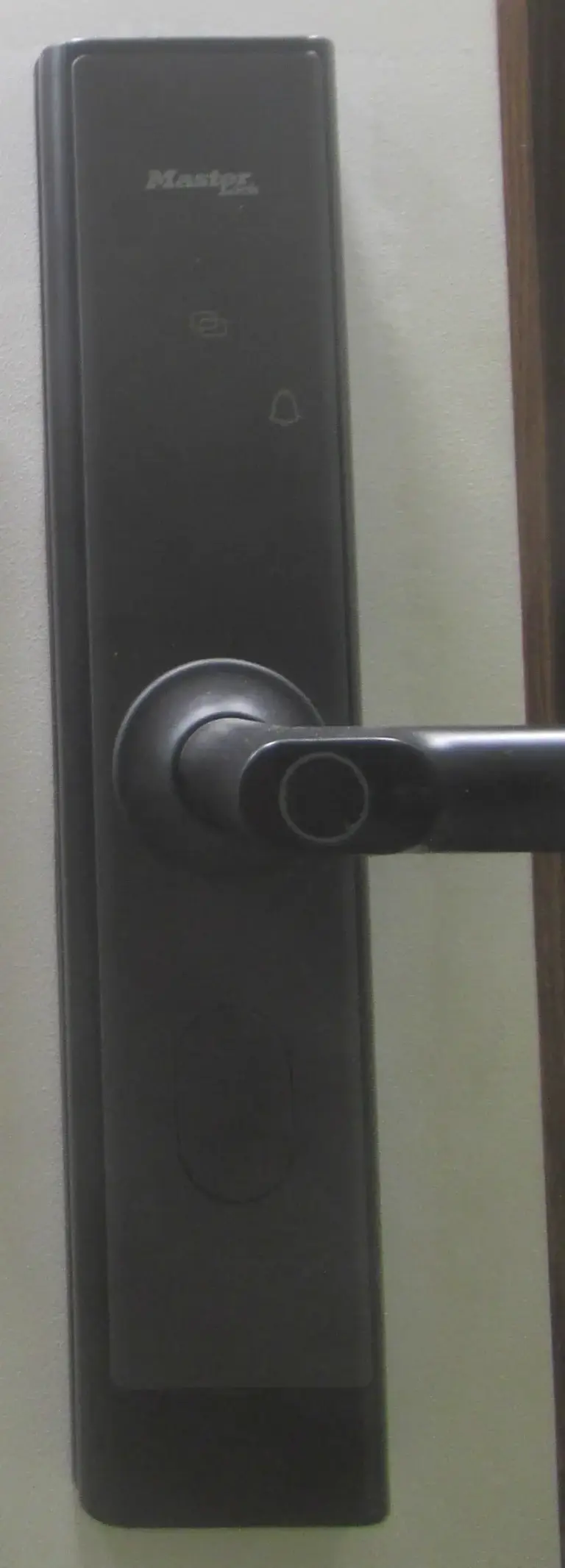
Keypad locks work offline for under a hundred dollars. Smart locks add remote access and a battery to babysit. Which one your door needs.
Deadbolts, smart locks, door reinforcement, and safes. We care about steel and strike plates before apps and animations.
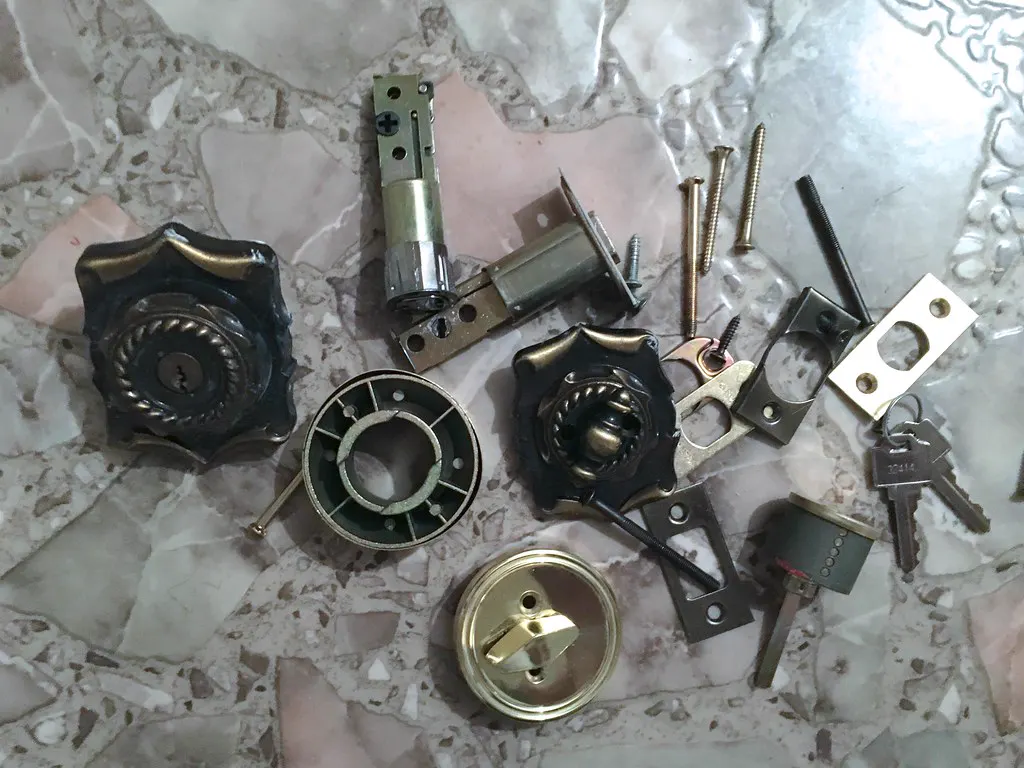
Most doors do not fail at the lock. They fail at the frame, where a strike plate is held by two short screws driven into soft trim, and a kick splits the jamb with the bolt still locked. Screws long enough to reach the stud behind the frame cost almost nothing and change the outcome of that kick. It is the least glamorous upgrade on this site and the one we recommend most often.
Smart locks get judged on what happens when the battery dies, the phone is flat, or the Wi-Fi is down. A keyway you can still use, a terminal you can jump from outside, a code that works with no network: those are the features that matter at the door at eleven at night. Auto-lock behaviour counts too, since a lock that relocks behind you is also a lock that can shut you out in a dressing gown.
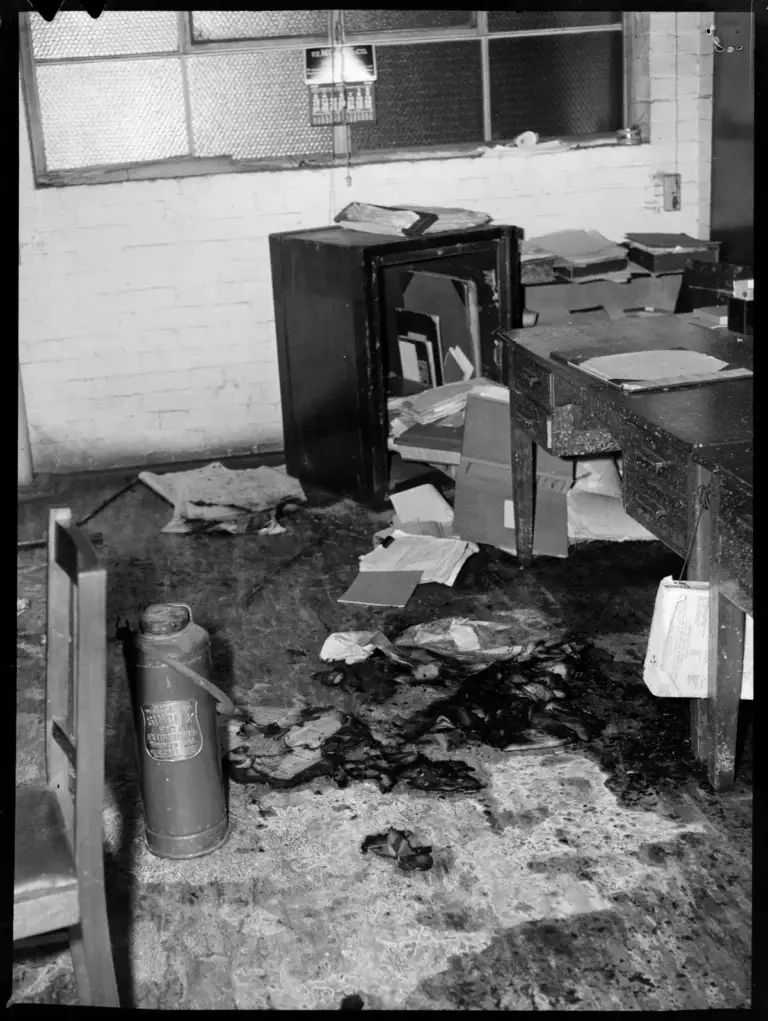
Safes carry two different ratings and people conflate them constantly. A fire rating describes how long the inside stays under a temperature during a test fire and says nothing about a pry bar. A burglary rating describes resistance to attack and says nothing about heat. A light safe that is not bolted down is a container with a handle, and thieves carry it out to open it somewhere quieter.
Where a review cites a lock grade, it says what that grade was measured against, because a number with no test behind it is packaging.
Locks, Doors & Safes
Keypad locks work offline for under a hundred dollars. Smart locks add remote access and a battery to babysit. Which one your door needs.
Locks, Doors & Safes
Most one-bedroom apartments need a 0.5 to 1.2 cubic foot safe. Here's how to size it by what you're storing, from documents to a laptop or firearm.
Locks, Doors & Safes
Retrofit smart locks clip over your existing deadbolt so nothing gets replaced or re-keyed. See which models are reversible enough to protect your deposit.
Locks, Doors & Safes
The fastest fix for a door that kicks in easily is longer strike plate screws, not a new lock. See the upgrades ranked by cost and real effectiveness.
Locks, Doors & Safes
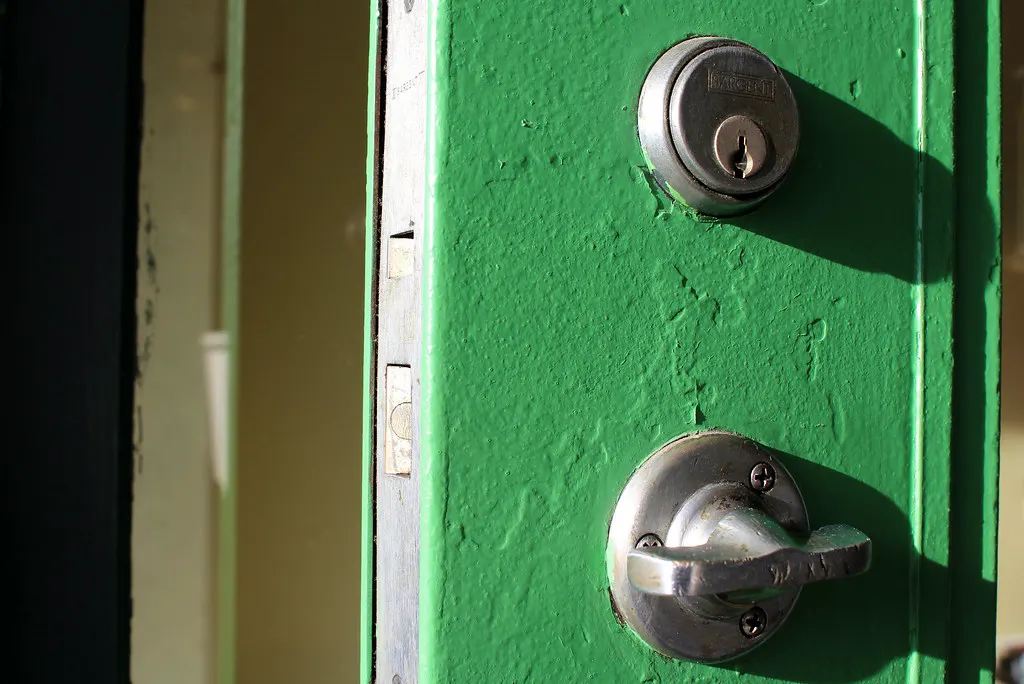
ANSI Grade 1 deadbolts withstand more force and more cycles than Grade 2. See the real differences in cost, install, and when the upgrade is worth it.
Locks, Doors & Safes
The best home safe pairs a real UL fire rating with anchoring capability, not just thick steel. Compare fireproof, RSC, and combination safes here.
Locks, Doors & Safes
Bolt a safe to a plywood platform under the carpet and it's fully anchored without a single hole in the floor. Here's the renter-safe method, step by step.