True Security Gear is reader-supported. When you buy through links on our site, we may earn an affiliate commission. This doesn't affect our verdicts.
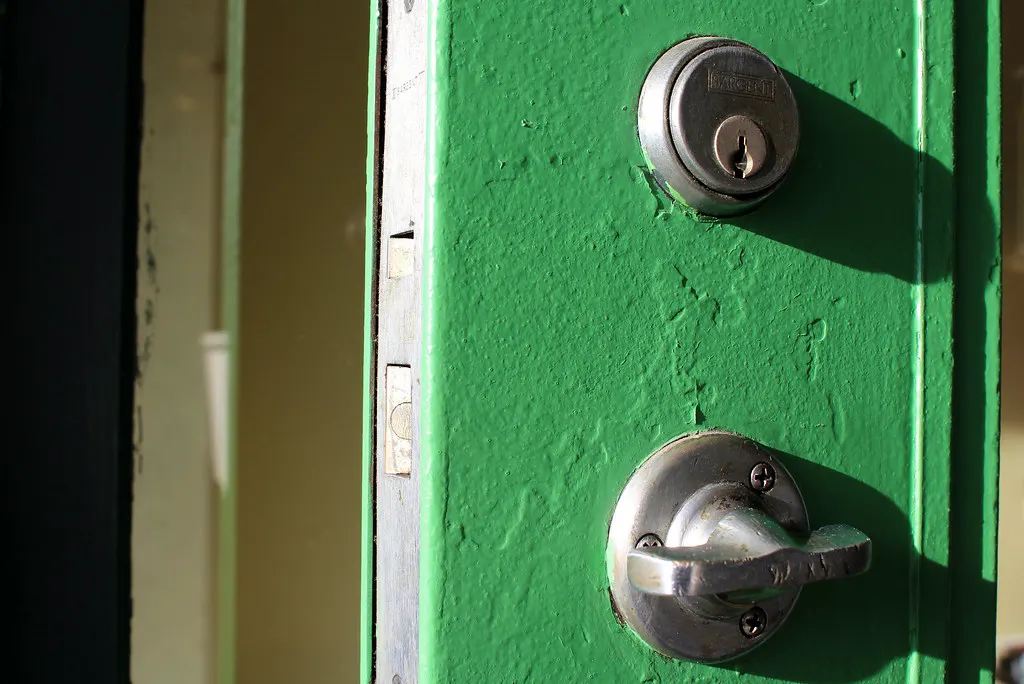
ANSI Grade 1 means a deadbolt survived more force in testing than Grade 2, both in a single hard impact and in repeated cycling of the bolt over time. In practical terms: Grade 1 is the commercial-duty rating, Grade 2 is the standard residential rating, and Grade 3 is the builder-grade minimum found on a lot of new construction. The gap between grades isn’t marketing language. It’s a real, measurable difference in how much force it takes to defeat the lock mechanism itself.
Our take
Grade 2 is fine for most homes with a decent frame behind it. Grade 1 is worth the extra $20 to $40 if your door faces the street, sits on a ground floor, or you just want the strongest hardware available without going commercial.
We get asked a lot whether the grade stamped on a deadbolt box actually means anything or if it’s just a number nobody checks. It’s a real standard, set by the American National Standards Institute and tested under ANSI/BHMA A156.36, and it measures things a shopper can’t eyeball: cycle life, torque resistance, and how much force a bolt takes before it fails.
What do the ANSI grades test?
Three tests matter most. The first is cycling: how many times the lock can be turned before parts wear out, with Grade 1 requiring far more cycles than Grade 2. The second is strength, an impact test that measures how much force the bolt and strike withstand before the mechanism gives way. The third is security, which covers resistance to drilling and other forced-entry attempts against the cylinder housing.
Grade 1 locks are tested to a higher standard on all three. That’s the whole difference: not a fancier finish or a nicer keyway, but a lock built and tested to survive more abuse before it fails.
What does that mean for a door that gets kicked, not picked?
Here’s the part that surprises people: the bolt itself rarely fails first in a forced-entry attempt. The wood around the strike plate usually gives way before the bolt does, which is why we cover the frame and strike plate as the first priority in our door reinforcement guide. A Grade 1 deadbolt on a poorly anchored strike plate still fails, just at the wood instead of the metal. Fix the frame first, then the deadbolt grade becomes the thing that matters, because once the jamb can hold, the bolt’s own construction is what determines the rest.
That’s not a knock on upgrading the deadbolt. It’s a sequencing point. A Grade 1 lock paired with a reinforced strike plate is meaningfully harder to defeat than either upgrade alone.
Grade 2 vs Grade 1: the practical differences
| Spec | Grade 2 | Grade 1 |
|---|---|---|
| Cycle test | 400,000 cycles | 800,000 cycles |
| Typical use case | Residential, standard duty | Commercial duty, high-security residential |
| Typical price range | $25–$50 | $50–$100 |
| Common on | Most retail deadbolts | Front doors of homes owners want maximum protection on |
Grade 3 exists too, and it’s the minimum ANSI grade, usually the cheapest lock in a hardware store’s deadbolt section. It’s not unsafe, exactly, but it’s the floor, not a target to aim for on a front door.
Is a Grade 1 lock worth the extra cost?
For most homes, Grade 2 is a reasonable, well-tested standard, and a lot of respected lock brands sell their mainstream residential lines at Grade 2. Where Grade 1 earns its price premium is on doors with higher exposure: a front door on a busy street, a ground-floor entry with no other layer of protection, or a rental property where the owner wants to minimize callback risk. A Schlage B60N is one of the more widely available Grade 1 options and a common upgrade pick for exactly this reason.
If you’re renting and can’t swap the deadbolt itself, the grade of the existing lock matters less than whether you can add a layer on top of it. A retrofit smart lock built for renters doesn’t change the ANSI grade of what’s underneath, but it adds monitoring and access control without touching hardware your landlord is responsible for.
Does the grade matter for a safe’s lock too?
It’s a fair question, since safes use a completely different rating system. Safe security is measured by pry resistance and often by independent lab ratings like UL RSC, not by ANSI door lock grades. If you’re weighing a safe purchase alongside your door hardware, our home safe comparison breaks down fire, water, and pry ratings in plain terms, and our guide to sizing a safe for a one-bedroom covers the capacity question separately from the security rating.
How to check the grade before you buy
The ANSI grade is almost always printed directly on the packaging, usually near the certification marks. If it’s not on the box, check the product listing or the manufacturer’s spec sheet before buying, since some budget lines don’t advertise the grade prominently because it’s a lower one. A lock with no grade listed anywhere is worth a second look before you commit to it.
Can you install a Grade 1 deadbolt yourself?
Almost always, yes. If your door already has a deadbolt bore, meaning there’s an existing deadbolt in place, a Grade 1 replacement uses the same hole pattern in the vast majority of cases. The install is a standard swap: remove the old bolt and strike plate, drop in the new hardware, screw it down. Most people finish it in under thirty minutes with a Phillips screwdriver and nothing more exotic than that.
Where it gets more involved is a door with no existing deadbolt bore at all. That’s a drilling job, and it’s worth either renting a door lock installation kit from a hardware store or paying a locksmith an hour’s labor to get the hole placement right. A misaligned bore is a bigger headache than the twenty or so dollars saved by doing it yourself.
Does a higher grade mean a higher price for no real reason?
Not really. The extra cost buys thicker steel components, tighter manufacturing tolerances, and a bolt that’s been cycled and impact-tested at a level Grade 2 hardware never has to meet. It’s not a brand markup so much as a materials and testing cost passed along. That said, a well-reviewed Grade 2 lock from an established brand still beats a cheap, unrated Grade 1 knockoff on a listing that hasn’t been independently verified. Certification matters more than the number alone, so buy from a manufacturer that’s transparent about who tested it.
Frequently asked questions
What is the practical difference between Grade 1 and Grade 2 deadbolts?
Grade 1 locks are tested to withstand roughly double the cycle count and higher impact force than Grade 2. In daily use both function the same way; the difference shows up under stress, whether from years of heavy use or an attempted forced entry.
Is Grade 3 deadbolt security bad?
Not unsafe, but it’s the minimum standard a lock can carry and still be called a deadbolt. It’s common on new-construction builder packages and fine as a starting point, though most security-minded homeowners upgrade it eventually.
Does a higher ANSI grade mean the lock is harder to pick?
Not directly. ANSI grading covers cycle life, impact resistance, and forced-entry strength, not pick resistance specifically. Pick resistance is a separate spec, often listed by the manufacturer as a security pin count or a specific anti-pick feature.
Can I upgrade just the deadbolt without replacing the whole door handle set?
Yes, in almost all cases. Deadbolts and door handle sets are separate hardware, and swapping the deadbolt alone is a standard, straightforward replacement as long as the new lock fits the existing bore holes.
Check the box before you check the price. A $30 Grade 2 lock from a reputable brand often beats an unrated $40 lock with a nicer finish, and the grade tells you more than the sticker price does.
Who checked this
True Security Gear does not run a test lab and does not take units apart. One half of the work is documents: manufacturer specs, certifications, and seller claims checked against the paperwork. The other half is the record owners leave behind, in verified-buyer reviews, owner forums, and warranty complaints. Where that evidence is thin we say it is thin, rather than filling the gap with an adjective. The criteria are on How we evaluate.
Google lets you pick which sites come up first in your own results.