True Security Gear is reader-supported. When you buy through links on our site, we may earn an affiliate commission. This doesn't affect our verdicts.
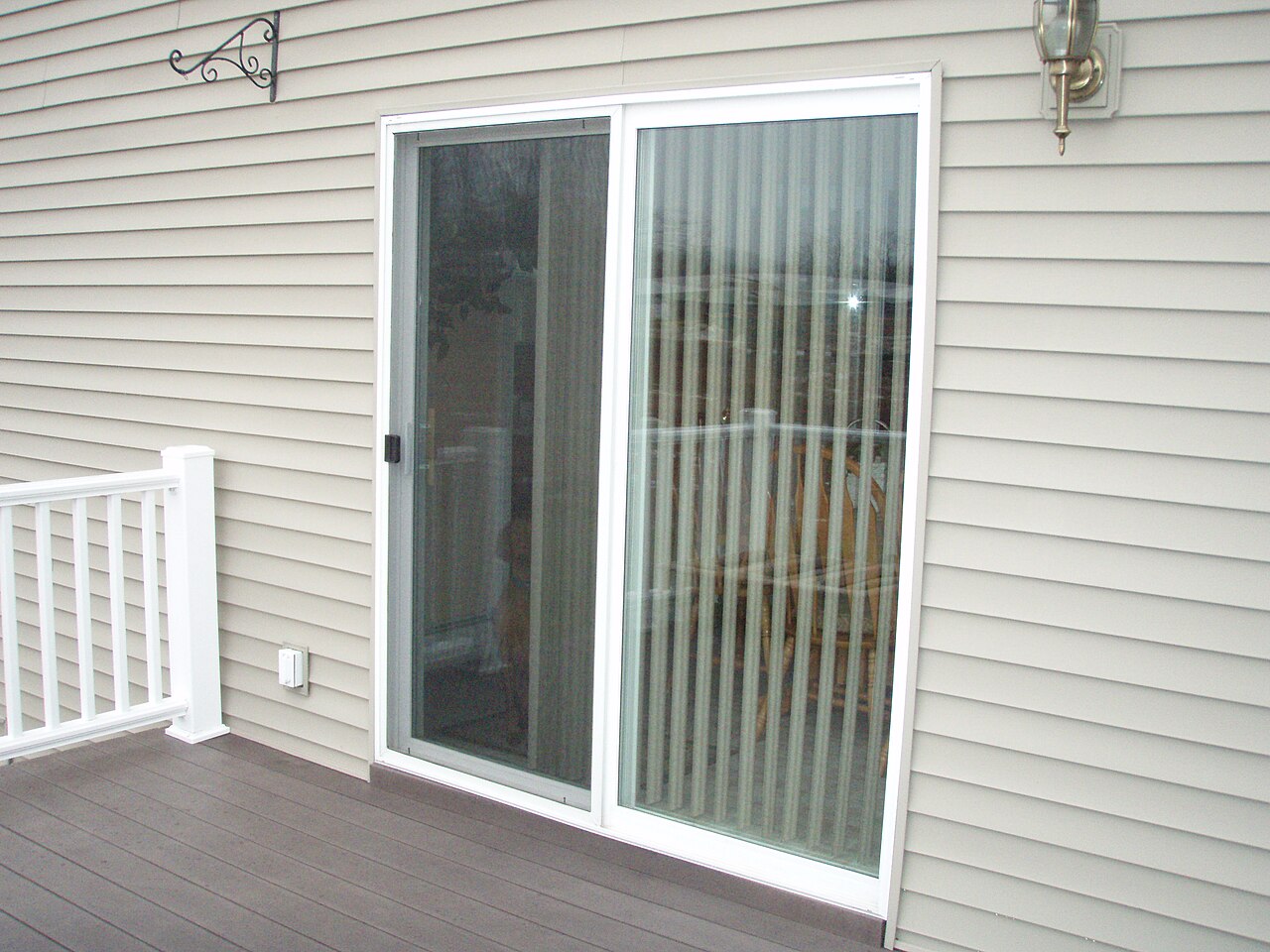
A sliding glass door is easier to get past than a hinged door for two reasons: the factory latch is light, and many doors can be lifted out of their track from outside. The fix is cheap and has two halves. Block the slide with a bar or a track blocker, and stop the lift with an anti-lift pin or screw at the top. Do both, because each one defeats a different attack. A door with a bar and no lift protection can still come off its track, and one with lift protection and no bar can still be forced sideways past a weak latch.
What police crime-prevention guidance says
Municipal police departments publish short, consistent advice on this. The Village of Shorewood, Wisconsin, in its guidance on sliding glass patio doors and windows, recommends several things. To resist forced entry, put a wooden dowel or stick in the track, use a metal fold-down blocking device called a Charley bar, or fit track-blockers that screw down. To resist lifting, keep the door rollers in good condition and properly adjusted, and install an anti-lift device such as a pin that extends through both the sliding and fixed portions of the door. It also recommends a secondary blocking device on every sliding door and visible decals near the latch to indicate an alarm, a dog, or a block watch.
That is the whole core of the advice, and none of it requires a locksmith. The reason it works is mechanical. A latch on a sliding door holds a hook against a keeper at the edge of the frame, and the hook has little holding power. A bar or dowel in the track stops the door where it is, regardless of what the latch does.
The bar, the dowel and the track blocker
A wooden dowel cut to the length of the track is the cheapest option, and it works. Measure the track from the inside edge of the sliding panel to the frame, subtract a quarter inch so it drops in easily, and sand the ends. The trouble is that it falls out of mind. Households forget to place it, and it is easy to knock aside. A Charley bar is the folding metal version that is attached to the door and swings down into place, so it is always there. A screw-down track blocker is a fixed stop in the track that limits how far the door opens. It is useful if you want the door to open only wide enough for a pet or for ventilation.
Weak points to know about: a thin plastic bar can be broken with a hard shove, an adjustable bar that is cut too short can be shaken loose, and a bar with a childproof lock is only as secure as the lock. Choose a bar made of metal, fit it tightly, and test it by pushing on the door from outside before you trust it.
Stopping the lift
The lift attack works because the moving panel sits in a track with some play at the top, and a person can raise it enough to swing the bottom out. Anti-lift hardware reduces that play. The Shorewood guidance recommends a pin that goes through both the sliding and fixed parts. Many hardware stores sell kits, and some makers publish their own recommended screw or bracket for their doors, so check the installation instructions for your door brand.
Rollers matter as well. The same guidance says to keep door rollers in good condition and properly adjusted, which is sensible beyond security. A door that rides low or binds is hard to lock fully, and a worn latch can slip. If the door sticks, fix the track and the rollers first. A worn door is the easiest one to defeat, and an adjustment takes an afternoon.
Adding a lock that does more than the factory latch
Several secondary locks exist: a pin lock that goes through the frame, a keyed surface-mounted lock, a hasp or a slide bolt. The detail to watch is what the lock attaches to. A device screwed into a thin aluminum frame with short screws does not hold much, and a strong lock on a weak mount is a weak lock. Use the longest screws the frame can accept, and put them into the structure instead of just the trim. This is the same principle we describe for hinged doors in how to reinforce a door, where the strike plate and screws do the real work.
If you rent, ask the landlord before drilling. A bar and a dowel need no tools, which makes them the right starting point, and our list of no-drill security devices has more options. Read the lease rules for security devices before you add anything that marks the frame.
The glass itself
All of the above deals with the door as a mechanism, but the glass is still glass. Someone willing to break the pane can reach the latch. Security film and laminated glass make the pane harder to break through quickly, though we have not found a standard that rates consumer film for forced-entry resistance, so we do not make claims for it. A detector can at least tell you when it happens. Our comparison of glass break sensors and door sensors explains how each one handles a patio door.
Visibility is another factor. A patio door at the rear of the house is usually out of the street’s sight. Lighting, a camera and decals on the glass, which the Shorewood guidance recommends, all increase the chance that someone is seen. A thief wants a short, quiet job, and a door that resists for even a minute makes that less likely.
A quick audit you can do tonight
Close the door and lock it. From inside, push the sliding panel sideways with moderate force and see whether the latch holds. Lift the panel at the handle and see whether it rises in the frame. Open the track and look for dirt, pet hair or a loose roller. Check whether a bar or dowel is in place. If any of these tests fail, you know the order of repairs.
Our take
Do two things this weekend: put a solid metal bar or a cut dowel in the track, and add an anti-lift pin or screw at the top. Both cost little. Reach for film, alarms and cameras after that, since the door is the cheaper place to start.
Common questions about sliding door security
Is a dowel in the track enough?
It stops the door sliding, which police guidance such as Shorewood’s lists as a basic measure. It does not stop the panel from being lifted off its track, so add anti-lift hardware too.
Can a sliding door be lifted off its track from outside?
On many doors, yes, if the panel has enough play at the top. Anti-lift pins that pass through both the sliding and fixed portions are the fix the guidance recommends.
Finally, remember that the bar only helps if it is in place. Make it a habit at night and when you leave, as automatic as turning off the stove.
Who checked this
True Security Gear does not run a test lab and does not take units apart. One half of the work is documents: manufacturer specs, certifications, and seller claims checked against the paperwork. The other half is the record owners leave behind, in verified-buyer reviews, owner forums, and warranty complaints. Where that evidence is thin we say it is thin, rather than filling the gap with an adjective. The criteria are on How we evaluate.
Google lets you pick which sites come up first in your own results.