True Security Gear is reader-supported. When you buy through links on our site, we may earn an affiliate commission. This doesn't affect our verdicts.
If you come home and find the door forced or a window broken, do not go inside. Step back to the street or a neighbor’s place and call 911, because whoever did it may still be in the house. Once the police have cleared it, the order is simple: photograph everything before you touch it, get a police report number, call your insurer, then secure the entry point the burglar used. Everything else, including the cleanup, can wait until those four are done.
The first hour
A break-in is a crime scene for a short while, and what you do in that hour shapes both the police report and the insurance claim.
- Stay out and call. Use 911 if the break-in looks recent or you are not sure the house is empty. If it clearly happened days ago, the non-emergency line is fine.
- Do not clean up. Leave drawers open and glass on the floor until officers have looked. Fingerprints and footprints are easy to wipe away without meaning to.
- Take photos and video of every room. Shoot the damaged door or window, the empty spaces where things used to be, and any marks on the frame. Your phone timestamps them, which helps later.
- Ask for the report number and the officer’s name before they leave. Your insurer will ask for both.
Working out what was taken
Most people miss items on the first pass, because shock narrows attention to the obvious gaps like a TV or a laptop. Walk the house slowly, room by room, and write down anything missing as you notice it. Check the places burglars tend to head for: the main bedroom, jewelry boxes, closets, the drawer where spare keys and passports live, and any small safe that was not bolted down.
Write down serial numbers where you have them. Phones, laptops, cameras and bikes all carry one, and a serial number is what lets police match a recovered item to you. Our guide to building a home inventory for insurance after a burglary shows how to rebuild the list from receipts, order history, bank statements and old photos.
Add to the police report as you find more. A short follow-up call or an online supplement is normal, and it keeps the report in line with your claim.
Calling your insurer
Homeowners and renters policies usually cover stolen belongings and the damage done getting in, minus your deductible. Call the claims line the same day if you can. Policies set a deadline for reporting a loss, and it can be short.
- Have the police report number ready.
- Send the photos and your list of missing items, with values and proof of purchase where you have it.
- Ask whether the policy pays replacement cost or actual cash value. Actual cash value takes depreciation off, so an old laptop pays out far less than a new one costs.
- Keep receipts for emergency repairs such as boarding a window or changing locks. Many policies reimburse reasonable steps taken to protect the home from further loss.
If you rent, your landlord’s policy covers the building, not your things. Tell the landlord about the damage to doors and windows in writing, and claim your belongings on your own renters policy.
Cancel, freeze and change
A stolen wallet, checkbook or laptop opens other doors, so close them the same day.
- Cancel stolen cards and ask the bank to watch the accounts.
- Change passwords for email and banking, starting with any account that was signed in on a stolen device. Use the “sign out of all devices” option where the service has one.
- If ID documents, a Social Security card or tax papers went, consider a credit freeze with the three bureaus and report the theft at IdentityTheft.gov.
- Replace a stolen passport through the State Department and a driver’s license through your state agency.
- If house keys or a garage remote were taken, rekey the locks and reset the opener before anything else in this section.
Fixing the way they got in
Look closely at how the door or window was opened, because that tells you where to spend money first. Our breakdown of how burglars get in, by entry point and time of day, goes through what federal crime data shows about front doors, back doors and ground floor windows.
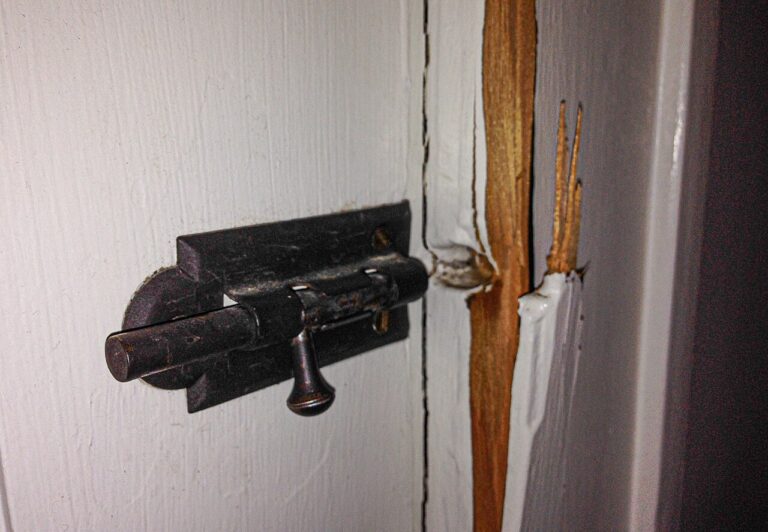
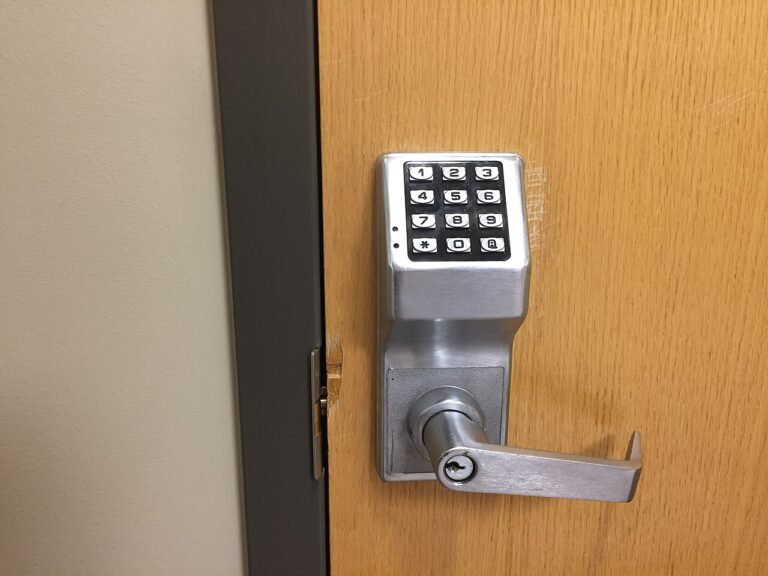
- Kicked door. The lock rarely fails. The strike plate and the frame around it split. Longer screws into the stud and a reinforced strike plate fix most of it, and how to reinforce a door walks through the job. While you are there, check the deadbolt against our guide to deadbolt grades.
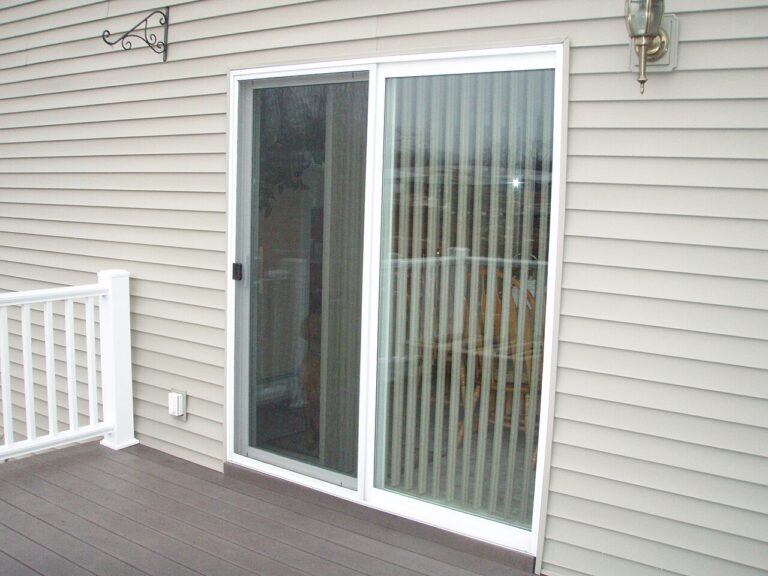
- Sliding door. A bar in the track and an anti-lift block stop the two common tricks. See how to secure a sliding glass door.
- Window. Pin or lock the sashes, and add sensors if you plan an alarm. Apartment window security covers options that do not need drilling, and window alarm sensors explains what each type actually picks up.
- Door you cannot change much, such as a rental: a door security bar for a hinged door adds strength at night without touching the frame.
Should you add cameras or an alarm now?
Many people buy a system the week after a break-in, and some of that money is well spent. An alarm with door and window sensors tells you, and possibly a monitoring center, the moment something opens. Cameras help with evidence afterward. Before you buy, decide whether you want someone to respond when you are away. DIY vs monitored alarm systems sets out the trade, and our easy DIY home security setup shows a basic layout you can install in an afternoon.
Fix the door or window first. A camera records a forced door, it does not hold it shut.
Feeling safe at home again
Feeling uneasy, sleeping badly or jumping at noises for a while after a break-in is common, even when nothing of great value was taken. It helps to talk about it with people you trust, and to make visible changes such as new locks and better lighting so the house feels different. If the fear does not ease after a few weeks, or it gets in the way of work and sleep, a doctor or counselor can help. Many police departments and local victim services offices also keep a list of free support services for crime victims.
Questions readers ask
What should you do first after a burglary?
Leave the house, get somewhere safe and call 911, because the burglar may still be inside. Do not touch anything until the police have been through. Then photograph the damage, get the report number and call your insurer.
How serious is a burglary charge?
In most states burglary is a felony, and it is treated more harshly when a home is occupied or the person is armed. The exact grades and penalties depend on the state, so the prosecutor and the police report decide how the case is charged, not the value of what was taken.
What time of day do most burglaries happen?
Federal survey data shows many residential burglaries happen in daylight, when homes are more likely to be empty during work and school hours. Our article on entry points and time of day sets out the figures and their sources.
What do burglars tend to avoid?
Homes that look occupied, doors that hold when kicked, good lighting near entry points and visible alarms or cameras all make a house slower or riskier to break into. None of them guarantee anything, but together they raise the effort needed.
How do you recover mentally after a break-in?
Give yourself time, talk about what happened, and change the things that remind you of it, such as the lock that was forced. If anxiety, sleep problems or fear of being home alone last for weeks, speak to a doctor or counselor, or ask the police about local victim support services.
Who checked this
True Security Gear does not run a test lab and does not take units apart. One half of the work is documents: manufacturer specs, certifications, and seller claims checked against the paperwork. The other half is the record owners leave behind, in verified-buyer reviews, owner forums, and warranty complaints. Where that evidence is thin we say it is thin, rather than filling the gap with an adjective. The criteria are on How we evaluate.
Google lets you pick which sites come up first in your own results.