True Security Gear is reader-supported. When you buy through links on our site, we may earn an affiliate commission. This doesn't affect our verdicts.
A combination smoke and carbon monoxide alarm makes sense where you need both detectors anyway, which means inside the bedrooms and in the hallway outside them. It is a worse fit in the kitchen and near a furnace, where the two kinds of alarm are supposed to be placed differently. The placement rules below show where the line falls.
What a combination alarm is
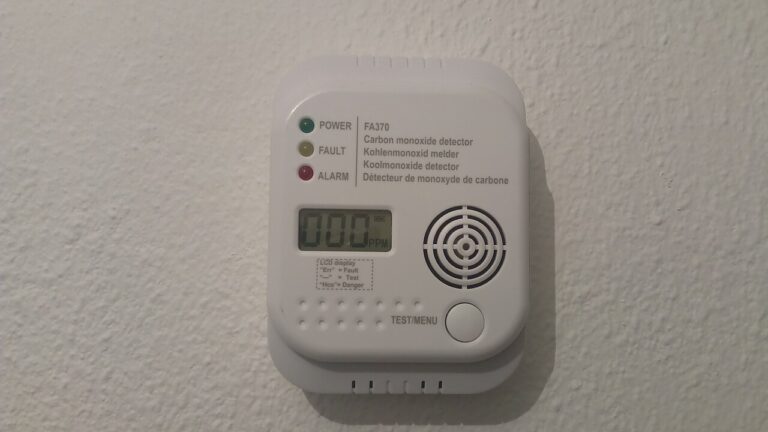
Inside one housing you get two detectors. The First Alert manual for one battery-powered combination model says so in its opening warning: the unit “has two separate Alarms.” The NFPA home fire safety desk reference makes the same point from the other direction. It says CO alarms are not substitutes for smoke alarms and vice versa, and that you should learn the sound of each.
One caution about the specifics in this article. The manual cited here covers a single battery-powered model that runs on two AA batteries. Hardwired and interconnected combinations exist too, and their instructions can differ. Treat the manual that ships with the alarm you actually buy as the final word.
The placement rules that decide it
Start with where each alarm is supposed to go. The CPSC recommends smoke alarms on every level of the home, inside each bedroom and outside sleeping areas. For CO, it says to install alarms on each level and outside sleeping areas. NFPA goes a little further on CO: alarms in every room where a person sleeps, outside each separate sleeping area, and on every level including the basement.
So the two lists overlap almost completely. Bedrooms, the hall outside them, every floor. That overlap is the whole case for a combination unit, because one device on the ceiling does two jobs.
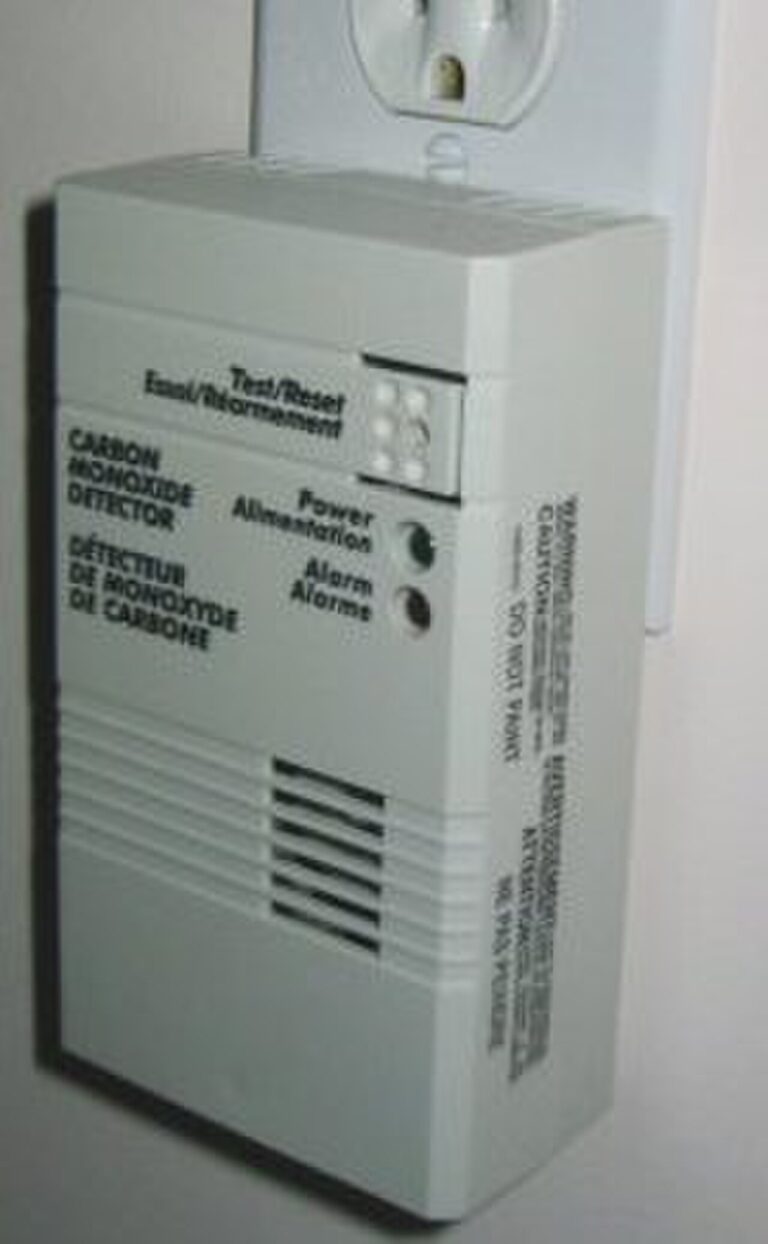
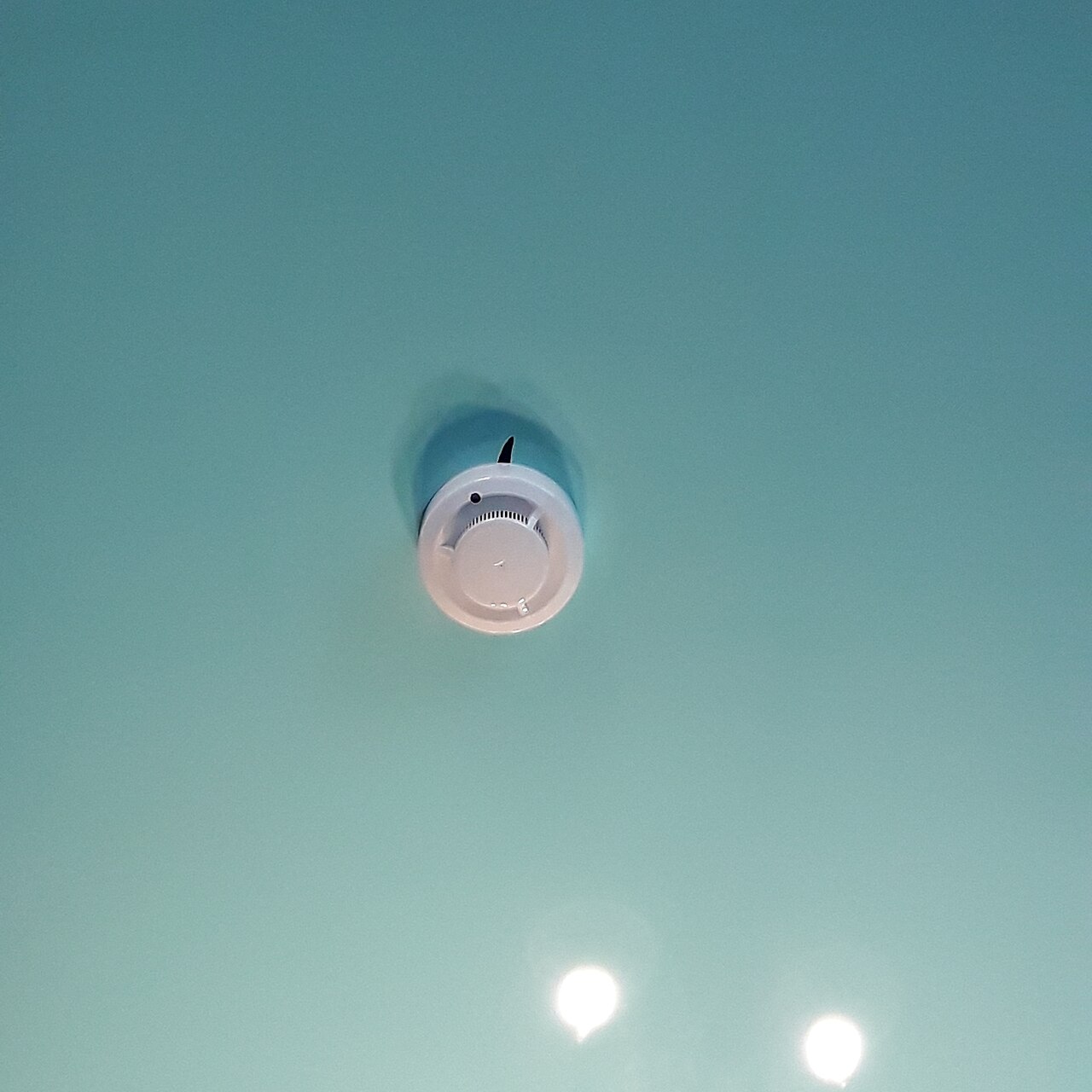
The lists split in the kitchen and around fuel-burning equipment. The CPSC carbon monoxide Q&A says it does not recommend CO alarms in kitchens or above fuel-burning appliances, and it adds that you should avoid spots near heating vents or ones that furniture or drapes can cover. CO alarms, it says, may go into a plug-in receptacle or high on the wall. Smoke alarms are stricter about height. NFPA says a smoke alarm belongs on the ceiling or high on a wall, and on a wall the alarm should sit 4 to 12 inches from the ceiling.
NFPA also settles which set of rules a combination unit follows. Its guidance is that if you have combination smoke and CO alarms, you follow the directions for smoke alarm installation. That detail matters more than it looks. It means a combination unit inherits the ceiling placement and the smoke alarm exclusions, even though half of it is a CO sensor.
Where a combination alarm fits and where it does not
The table lines the rules up spot by spot. Where a cell says “conflict,” two of the sources cited above point in different directions for that location.
| Spot | Combination alarm | Separate alarms |
|---|---|---|
| Hallway outside bedrooms | Fits. CPSC wants both a smoke alarm and a CO alarm outside sleeping areas. | Works, but takes two mounting spots. |
| Inside a bedroom | Fits. CPSC puts smoke alarms inside each bedroom, and NFPA puts CO alarms in every room where someone sleeps. | Works, same trade-off. |
| Kitchen | Conflict. CPSC advises against CO alarms in kitchens, and the First Alert manual lists the area within 5 feet of a cooking appliance as a place to avoid. | Smoke alarm kept clear of the stove (NFPA says at least 10 feet from a cooking appliance), CO alarm placed outside the kitchen. |
| Near a furnace or fuel-burning appliance | Conflict. CPSC says not above fuel-burning appliances, and the manual says closer than 15 feet to the furnace may increase the frequency of unwanted alarms. | CO alarm on the same level but away from the appliance, smoke alarm placed by the smoke rules. |
| Garage or unheated attic | Avoid. NFPA says no smoke alarms in garages or in unfinished attics without heat or cooling, and a combination follows the smoke alarm directions. | The same limit applies to the smoke alarm. |
Cooking and furnaces: where the numbers disagree
NFPA gives a distance for smoke alarms near cooking: at least 10 feet from a cooking appliance, or 6 feet for multi-criteria alarms when the manufacturer allows it. The First Alert manual uses a shorter exclusion zone of 5 feet for its combination unit. The figures do not agree, so when they differ the safer reading is the larger distance, and the instructions for your own model still outrank both.
In a small apartment, those distances can swallow most of the ceiling. That is where separate units help. A smoke alarm placed on the far side of the room does not pull a CO sensor into the cooking area along with it.
The furnace works the same way. The manual’s warning is about nuisance alarms, not detection, but a basement mechanical room is exactly where you would otherwise be tempted to hang one device and call it done.
Lifespan, interconnection and sensor type
A combination alarm has one housing and one end-of-life signal. In the First Alert manual, the end-of-life signal is five chirps about every 45 seconds, and the alarm is replaced as a whole. The same manual says to replace the alarm 10 years after installation. NFPA does not give a lifespan for combinations. Its smoke alarm rule is 10 years from the manufacture date, but for combination alarms it says only to replace them according to the manufacturer’s recommendations. So you cannot assume a 10-year figure for any combination alarm without checking its own paperwork.
Interconnection is the other thing to check before you buy. NFPA recommends interconnecting all smoke alarms and all CO alarms. The First Alert manual notes that battery-operated smoke alarms do not provide interconnected functionality. If your bedrooms are on a different floor from the kitchen, interconnection can matter more than whether the device is combined or separate.
Smoke sensing technology is worth a look as well. The U.S. Fire Administration recommends both ionization and photoelectric smoke alarms, or dual-sensor alarms that contain both. NFPA explains the reason: ionization alarms respond faster to flaming fires, and photoelectric alarms respond faster to smoldering ones. The manual and box should tell you which sensing technology a combination unit uses.
A simple way to decide
Count the sleeping areas first. For each one, a combination unit on the ceiling outside the door covers both hazards in one spot. Then handle the exceptions one by one: keep a CO alarm out of the kitchen, keep both alarms away from the furnace, and use a plain smoke alarm where a combination would sit too close to the stove. The sources do not rank one detector above the other, since NFPA treats them as separate jobs, so the budget question comes second to coverage on every level.
If you rent
The manual describes the combination unit as ceiling or wall mounted with a bracket and two screws, and says it is not a tabletop device. A plug-in CO alarm is allowed by CPSC, so renters who cannot drill have one more option for the CO half. Before you put holes in a ceiling, read the lease rules on security devices and the renter security tips on this site.
Our take
Use combination alarms in the hallway outside bedrooms and inside bedrooms, where the sources want both detectors in the same place. Use separate alarms in kitchens, near furnaces and anywhere the smoke and CO rules point in different directions. Whichever you buy, read the manual for the exact model, because lifespan and interconnection depend on it. No source read for this article compares how well a combination unit detects against two separate ones, so we make no claim either way.
Common questions about combination smoke and CO alarms
Does a combination alarm work as well as two separate alarms?
None of the sources read for this article compares detection performance. What they do cover is placement. A combination unit has to follow the smoke alarm installation directions, so it works as intended only in locations where both detectors are allowed.
Can I put a combination alarm in the kitchen?
CPSC does not recommend CO alarms in kitchens, and the First Alert manual lists the area within 5 feet of a cooking appliance as a place to avoid. That points to a separate smoke alarm kept clear of the stove and a CO alarm elsewhere.
How long does a combination alarm last?
It depends on the manufacturer. NFPA says to replace combination alarms according to the manufacturer’s recommendations, and the First Alert manual says to replace its alarm 10 years after installation. Check the instructions for your model.
Do I still need coverage on every level?
Yes. CPSC recommends smoke alarms on every level and CO alarms on each level and outside sleeping areas. A combination unit counts for both only if it sits in a spot that suits both.
Does a CO alarm replace a smoke alarm?
No. NFPA says CO alarms are not substitutes for smoke alarms, and the reverse is true too.
Who checked this
True Security Gear does not run a test lab and does not take units apart. One half of the work is documents: manufacturer specs, certifications, and seller claims checked against the paperwork. The other half is the record owners leave behind, in verified-buyer reviews, owner forums, and warranty complaints. Where that evidence is thin we say it is thin, rather than filling the gap with an adjective. The criteria are on How we evaluate.
Google lets you pick which sites come up first in your own results.