True Security Gear is reader-supported. When you buy through links on our site, we may earn an affiliate commission. This doesn't affect our verdicts.
Put a carbon monoxide alarm outside each separate sleeping area and on every level of the home. That is the placement rule the U.S. Fire Administration and the Consumer Product Safety Commission both state, and the CDC backs the bedroom half of it by recommending battery-operated or battery back-up CO detectors near every sleeping area. Past that rule, the official sources and the manufacturers start to differ on details such as basements, garages, and distance from a furnace, and those differences are worth knowing before you drill a hole.
The two rules every source agrees on
Start with the hallway. If your home has a bedroom wing, an alarm in the hallway outside those doors is the single most important placement. First Alert calls the hallway outside the bedrooms the most critical location.
Then add levels. The CPSC says alarms belong on each level of the home. Kidde adds a refinement, that alarms are ideally placed on any level with fuel-burning appliances. A two-story house with bedrooms upstairs and a gas furnace in the basement therefore needs more than one alarm, and a house with several separate sleeping areas needs one outside each of them. The USFA’s pictograph shows exactly that arrangement: alarms outside bedrooms and throughout a multi-level home.
Where the sources disagree: basements and attics
This is the part most install guides smooth over. On its alarm page, the CPSC says CO alarms should not be installed in attics or basements unless they include a sleeping area. First Alert’s placement page says to install at least one alarm on each floor, including basements where furnaces may be located. Kidde says each level of the home, ideally any level with fuel-burning appliances.
Those are not three answers to one question so much as three emphases. A finished basement bedroom gets an alarm under every reading. An unfinished basement holding only a furnace is the case where the guidance splits, and the tie-breaker is your alarm’s manual and your local rules, which can add requirements that the federal pages do not mention. If you rent, check what your lease and local requirements already say before you add or move anything.
Distance from fuel-burning appliances
Kidde’s placement page recommends additional alarms 5 to 20 feet from sources of CO such as a furnace, water heater, or fireplace. First Alert phrases it as nearby but not directly next to fuel-burning appliances, so that the alarm samples typical room air and nuisance alarms are reduced.
The common thread is not a single measurement. The exact distance for your model lives in the manual that came with it, and if the number printed there disagrees with a blog post, including this one, follow the manual.
Height, walls, and where not to mount
People worry about whether CO sinks or rises. First Alert’s page answers it directly: carbon monoxide mixes with air and circulates through the room, so detectors do not need to be installed near the floor. Your manual will specify the mounting method for a wall unit versus a ceiling unit.
The avoid list comes from the two manufacturers. Kidde says not to place the unit in dead air spaces or next to a window or door, and to choose locations free of obstructions where the alarm will stay clean and protected from adverse environmental conditions. First Alert’s list adds specifics: inside garages, because vehicle exhaust triggers false alarms; dead-air spaces such as tight corners or behind furniture; directly in front of HVAC vents or ceiling fans; bathrooms or other high-humidity areas; and spots with heavy dust, grease, or chemical exposure.
A quick placement table
| Location | What the sources say |
|---|---|
| Hallway outside bedrooms | Recommended by CPSC, USFA, CDC, Kidde, and First Alert |
| Each level of the home | CPSC and USFA; Kidde adds levels with fuel-burning appliances |
| Attic or basement | CPSC: not unless it includes a sleeping area. First Alert: include basements with furnaces. Check local rules and the manual. |
| Near a furnace or water heater | Kidde: additional alarms 5 to 20 feet from the source. First Alert: nearby, not directly beside. |
| Garage | First Alert: avoid, since exhaust triggers false alarms |
| Bathroom or humid room | First Alert: avoid |
| Next to a window, door, vent, or fan | Kidde: avoid windows and doors. First Alert: avoid directly in front of vents or ceiling fans. |
Power, batteries, and the first test
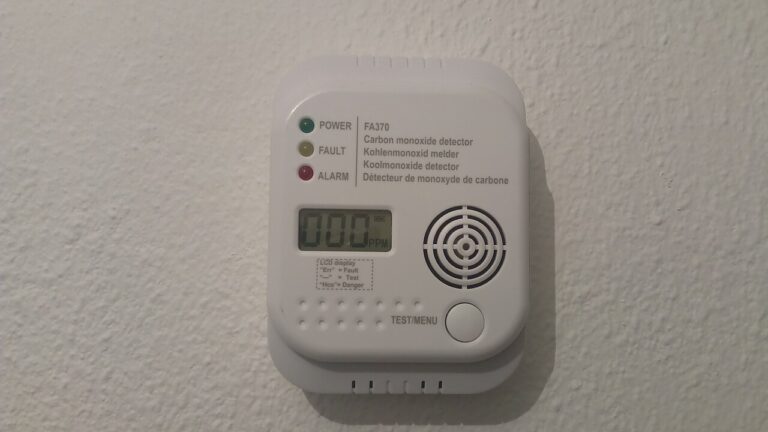
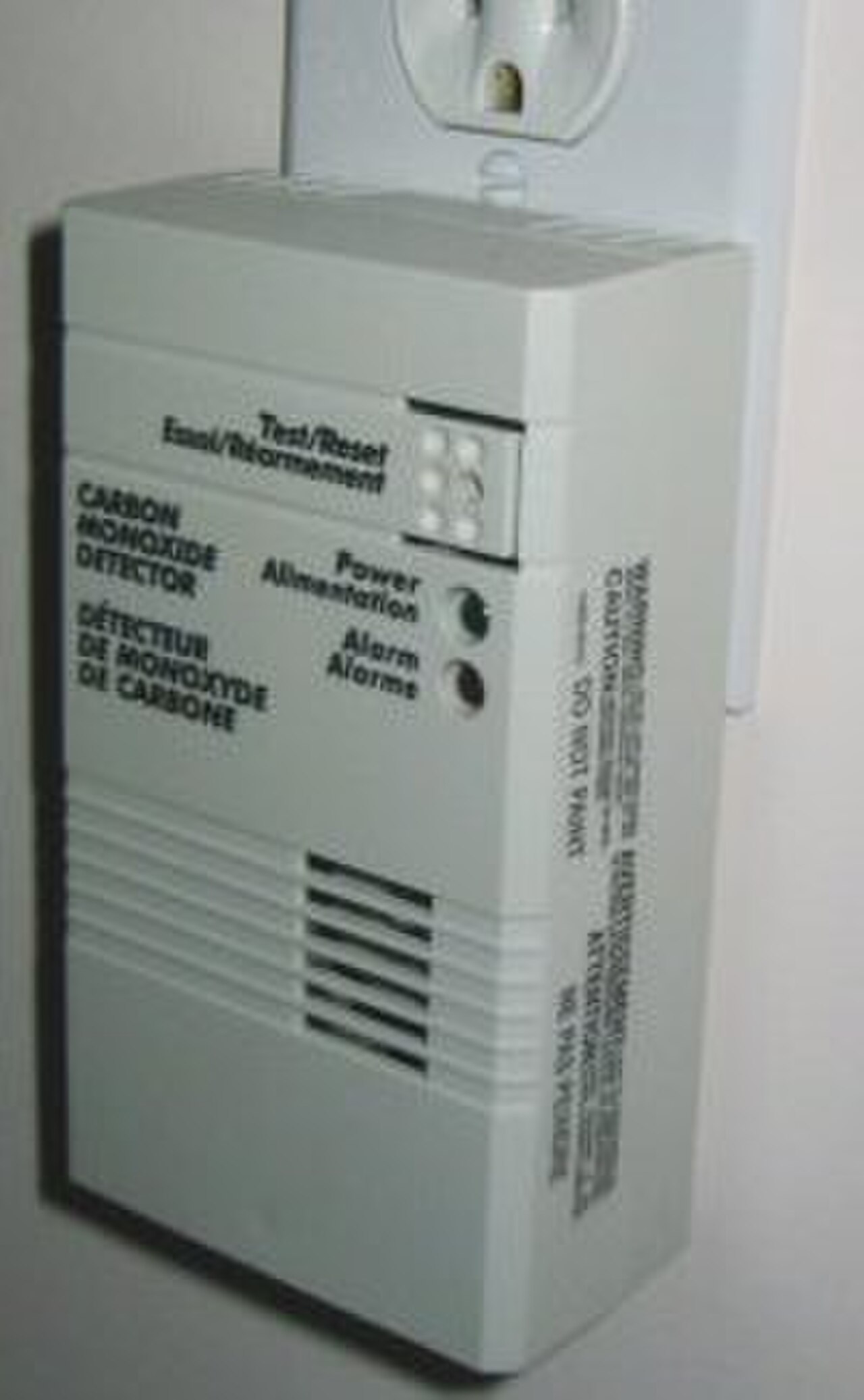
The CPSC and the CDC both specify the power type: battery-operated alarms or alarms with battery backup. After mounting, the CPSC says to test alarms monthly and replace batteries annually. The CDC suggests checking batteries when you change the clocks each spring and fall, and it suggests considering a detector with a digital readout that shows the highest CO concentration level in addition to sounding an alarm.
Write the install date somewhere you will see it. The CDC says to replace a CO detector following the manufacturer’s instructions or every 5 years, and Kidde’s alarms begin their end-of-life chirp seven years after power-up. CO alarms belong on the same checklist as the rest of your protection, and our guide to setting up a home security system in one afternoon is a good place to slot that in. If you rent and the landlord controls the wiring, apartment security tips for renters covers what you can do without touching the walls.
Our take
The minimum that every source supports is one alarm in the hallway outside the bedrooms and one on every level. Beyond that, treat basements, garages, and furnace distance as manual-and-local-rules questions, because the official and manufacturer pages do not give one answer for them. Do not mount an alarm in a garage, a bathroom, or a dead-air corner.
Common questions about carbon monoxide detector installation
How many carbon monoxide detectors does a house need?
At least one outside each separate sleeping area and one on every level, per the USFA and CPSC. First Alert calls the hallway outside the bedrooms the most critical location.
Should a CO detector go high on the wall or low?
First Alert says CO mixes with air and circulates through the room, so detectors do not need to be installed near the floor. Follow the mounting instructions for your model, which specify wall or ceiling use.
Do I need a CO detector in the basement?
It depends on which source you follow. The CPSC says not in attics or basements unless they include a sleeping area, while First Alert recommends alarms on each floor including basements where furnaces may be located. Check your alarm’s manual and local requirements.
How close to a furnace or gas appliance can it go?
Kidde recommends additional alarms 5 to 20 feet from CO sources. First Alert says nearby but not directly next to them. The manual for your model sets the rule that applies.
Can I put a CO detector in the garage?
First Alert lists the inside of a garage as a poor location because vehicle exhaust triggers false alarms.
Who checked this
True Security Gear does not run a test lab and does not take units apart. One half of the work is documents: manufacturer specs, certifications, and seller claims checked against the paperwork. The other half is the record owners leave behind, in verified-buyer reviews, owner forums, and warranty complaints. Where that evidence is thin we say it is thin, rather than filling the gap with an adjective. The criteria are on How we evaluate.
Google lets you pick which sites come up first in your own results.