True Security Gear is reader-supported. When you buy through links on our site, we may earn an affiliate commission. This doesn't affect our verdicts.
The most common symptoms of carbon monoxide (CO) poisoning, according to the CDC, are headache, dizziness, weakness, upset stomach, vomiting, chest pain, and confusion. Infants, older adults, and people with chronic heart disease, anemia, or breathing problems are more likely to get sick from CO. If you suspect exposure, get outside into fresh air and call 911.
That short answer hides the reason CO is dangerous: nothing about it announces itself. The gas cannot be seen, tasted, or smelled, and the early symptoms resemble ordinary illness. This article sorts out what the agencies actually list, who sits at the higher-risk end, and what to do.
What the symptom lists say
Three sources describe the symptoms, and they overlap with small differences. Putting them side by side makes the pattern easier to see.
| Source | Symptoms named |
|---|---|
| CDC | Headache, dizziness, weakness, upset stomach, vomiting, chest pain, confusion. |
| NFPA | Headache, dizziness, weakness, drowsiness, nausea and vomiting, flu-like symptoms, rapid heartbeat, shortness of breath, seizures, chest pain, disorientation, loss of consciousness. |
| CPSC, low to moderate exposure | Headache, fatigue, shortness of breath, nausea, dizziness. |
| CPSC, high exposure | Mental confusion, vomiting, loss of muscular coordination, loss of consciousness, and ultimately death. |
The CPSC fact sheet frames symptoms by level of exposure, which is a useful way to read the rest. Headache with fatigue sits at one end. Confusion, vomiting, and loss of coordination sit at the other. The NFPA desk reference names flu-like symptoms directly, and that is the trap: someone with a bad headache and nausea in January is easy to send to bed with a glass of water.
The clue that separates it from the flu
NFPA gives one signal worth keeping in mind. If more than one person in the same place has these symptoms, it may be a sign of CO poisoning. Illness that tracks the household rather than a single person deserves attention, especially in a home with fuel-burning appliances.
The CDC adds a second, more sobering point: people who are sleeping or intoxicated can die from CO poisoning before they have symptoms that they notice. A person who is asleep cannot report a headache. That is one reason the guidance puts alarms near sleeping areas.
Who is most at risk, and how big the problem is
The CDC names the groups more likely to get sick from CO: infants, the elderly, and people with chronic heart disease, anemia, or breathing problems. Add the sleeping and intoxicated people described above, and the picture shifts. Risk is not just about a person’s health. It also depends on whether they are awake enough to notice something is wrong.
Pets are affected as well. NFPA says CO can be fatal to people and pets. The sources do not give a pet-specific symptom list, so do not rely on one, and treat an alarm as an emergency whether or not anyone feels unwell.
NFPA’s desk reference separates acute from chronic CO exposure. Acute exposure is the sudden kind, the one that sends a family to the emergency room. Chronic exposure is lower-level and repeated, and it is the reason a faulty appliance that never trips an alarm can still matter. The pages used for this article do not describe long-term effects in detail, and this article does not either.
The CDC puts numbers on it. Each year in the United States, more than 400 people die from unintentional CO poisoning that is not related to fires, more than 100,000 visit the emergency department, and more than 14,000 are hospitalized. For something that a working alarm can warn about, those are large losses. They also explain why the instructions in the next section are so blunt: get out first, ask questions afterward.
What to do if you suspect it
The instructions are short. NFPA says that if you have any of the symptoms, go outside right away and call 911. The CDC says that if you think you or someone else has been exposed, exit the area and seek emergency medical attention. CPSC’s alarm instructions add that you should not reenter until emergency responders give permission, and that you should do a head count once you are out.
Do not try to treat this at home, and do not wait to see if a symptom passes. This article is general information, not medical advice, and a clinician or the emergency services decide what comes next.
Reducing the chance of exposure
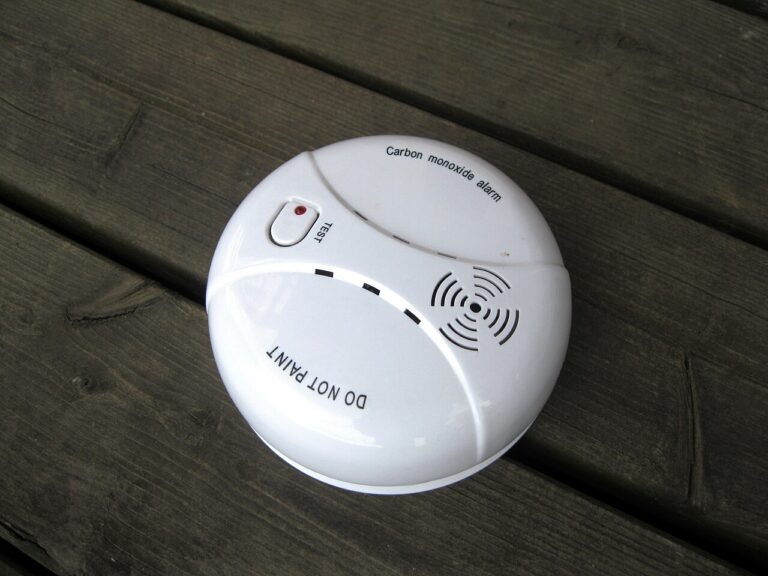
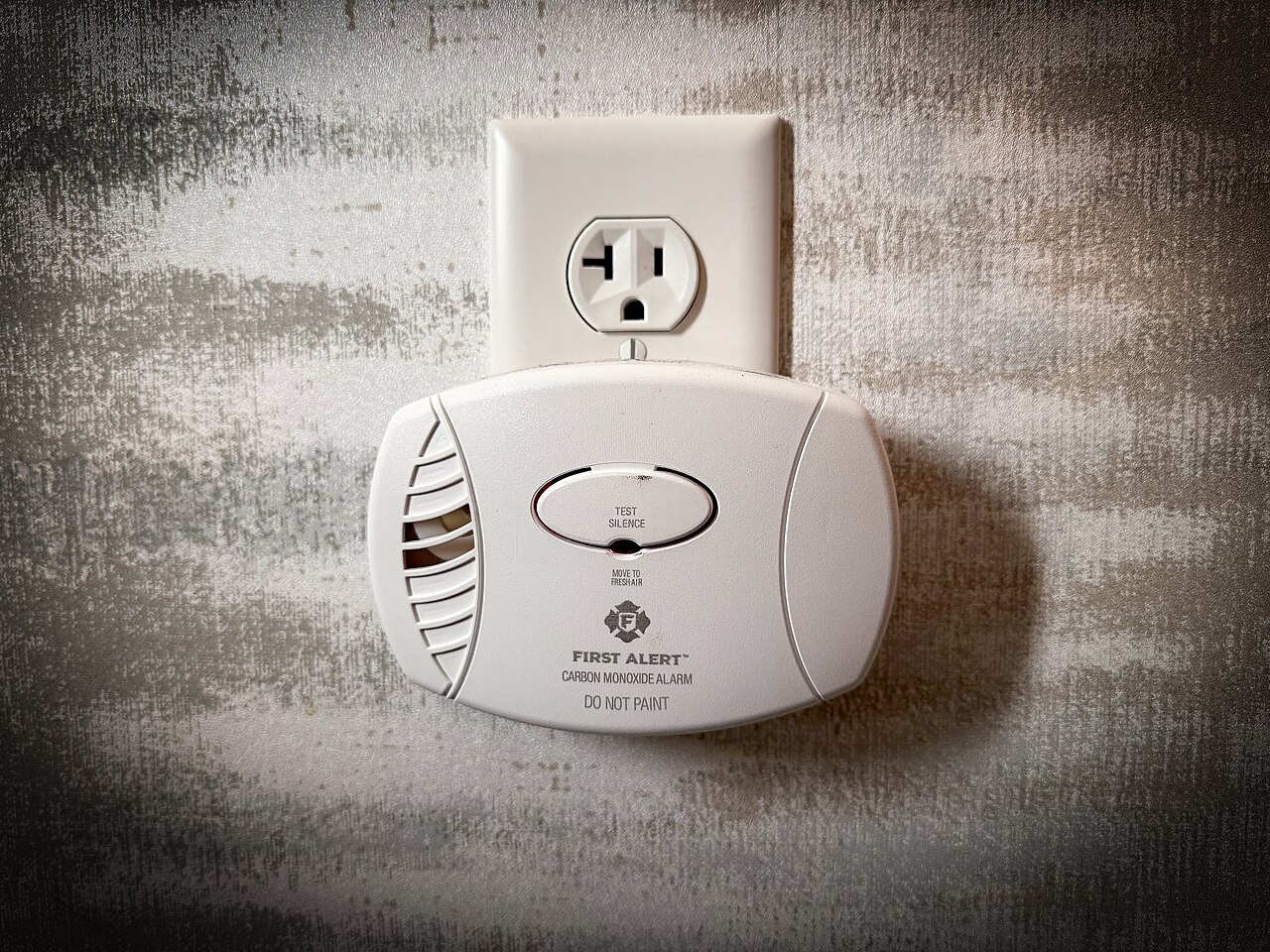
The CDC says never to use generators, grills, or other gasoline, propane, or charcoal-burning devices inside the home, garage, or carport. It also lists practical steps: install battery-operated CO detectors near sleeping areas, have heating systems serviced annually by qualified technicians, keep generators more than 20 feet from windows and doors, never burn charcoal or use portable gas stoves indoors for heat, make sure gas appliances are vented, and have chimneys inspected each year. NFPA’s list of sources adds idling vehicles in garages and malfunctioning water heaters, dryers, furnaces, and cooking appliances. For help picking an alarm, see our look at personal safety alarms, though note that a CO alarm for the home is a separate device from a personal alarm. NFPA also says to test CO alarms at least monthly and to follow the manufacturer’s instructions for replacing them, so an alarm installed years ago deserves a check today.
Our take
Do not wait for a diagnosis. A headache, dizziness, or nausea that shows up in more than one person, or in anyone sleeping in a home with fuel-burning equipment, justifies stepping outside and calling 911. The people who can least afford a delay are infants, older adults, anyone with heart, blood, or breathing conditions, and anyone asleep who cannot tell you how they feel. A working alarm outside bedrooms is the practical answer to that last group.
Common questions about carbon monoxide poisoning
Can you have carbon monoxide poisoning without symptoms?
The CDC says people who are sleeping or intoxicated can die from CO poisoning before they have symptoms that they notice.
What are the first signs?
CPSC lists headache, fatigue, shortness of breath, nausea, and dizziness for low to moderate exposure. The CDC lists headache, dizziness, weakness, upset stomach, vomiting, chest pain, and confusion as the most common.
Who is most at risk?
According to the CDC, infants, the elderly, and people with chronic heart disease, anemia, or breathing problems are more likely to get sick from CO.
When should I call 911?
NFPA says that if you have any of the symptoms you should go outside right away and call 911. The same applies when a CO alarm sounds and keeps sounding.
Who checked this
True Security Gear does not run a test lab and does not take units apart. One half of the work is documents: manufacturer specs, certifications, and seller claims checked against the paperwork. The other half is the record owners leave behind, in verified-buyer reviews, owner forums, and warranty complaints. Where that evidence is thin we say it is thin, rather than filling the gap with an adjective. The criteria are on How we evaluate.
Google lets you pick which sites come up first in your own results.