True Security Gear is reader-supported. When you buy through links on our site, we may earn an affiliate commission. This doesn't affect our verdicts.
Failure to clean is the leading cause of home clothes dryer fires, according to NFPA and the U.S. Fire Administration. Clean the lint filter every load, clear the vent pipe on a schedule, check that the outdoor flap opens when the dryer runs, and turn the dryer off when you leave the house or go to bed.
What the fire data says
The U.S. Fire Administration’s appliance and electrical page reports that failure to clean was the leading factor in home clothes dryer fires, at 31% of the fires in its 2018 to 2020 data. An older USFA topical report, covering 2008 to 2010, gives a similar picture: an estimated 2,900 clothes dryer fires in residential buildings each year, with an estimated 5 deaths, 100 injuries and $35 million in property loss annually.
Those are older figures. The pattern is what matters. In the 2008 to 2010 report, operational deficiency was the leading factor category, and failure to clean made up 72 percent of it and 34 percent of all clothes dryer fires. Mechanical failure or malfunction followed at about 29 percent, and electrical failure or malfunction at 16 percent.
Dryer fires also have a season. The same report found more of them in fall and winter, with January the peak month at 11 percent.
The lint filter
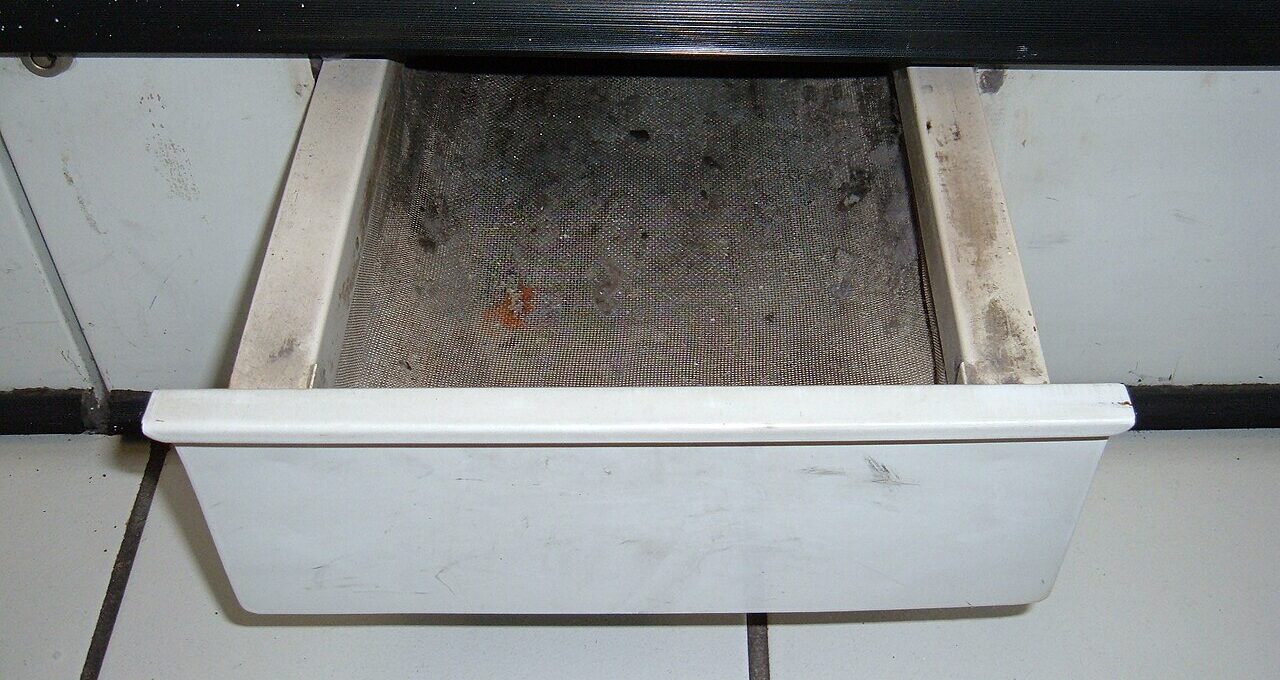
This is the daily habit. NFPA says to clean the lint filter before or after each load, and never to run the dryer without one. USFA’s flyer says to clean it before and after each cycle. Either way, the filter should be empty every time the drum starts.
USFA also lists cleaning the back of the dryer, where lint collects out of sight.
The vent pipe: two schedules
The two NFPA documents read for this article give different intervals for the vent pipe. The NFPA dryer safety tip sheet says to clean lint out of the vent pipe once a year, and more often if clothes take longer than normal to dry. The NFPA Educational Messages Desk Reference says to clean it every three months, or to hire a dryer vent cleaning service.
If your dryer sits at the end of a long run, or the household does a lot of laundry, the shorter interval is the cautious reading. If clothes are taking more than one cycle to dry, do not wait for the calendar.
Venting and the outdoor flap
- Use rigid or flexible metal venting, as NFPA advises. The USFA report names plastic or vinyl exhaust material as a problem.
- Check the duct for damage, crushing or restriction.
- Go outside while the dryer is running and confirm that the vent cover opens. Both USFA and NFPA say the outdoor flap must open and the vent must not be restricted.
- Look for blockages. The USFA report notes that bird or animal nests can block a vent.
What goes in the drum
Some items do not belong in a dryer. The USFA report names foam-backed rugs and athletic shoes as improper items found in dryer fires. NFPA has a stricter rule for laundry exposed to flammable liquids: anything that has come in contact with gasoline, paint thinner or solvents should be dried outside, and its Desk Reference says fabrics exposed to flammable cleaning agents should be air dried after washing.
Do not overload the dryer either. NFPA lists that under general dryer safety, along with using the correct plug and outlet for the machine.
Gas dryers, installation and power
NFPA recommends professional installation. For gas dryers it says a professional should do the inspection, and the Desk Reference puts that at once a year.
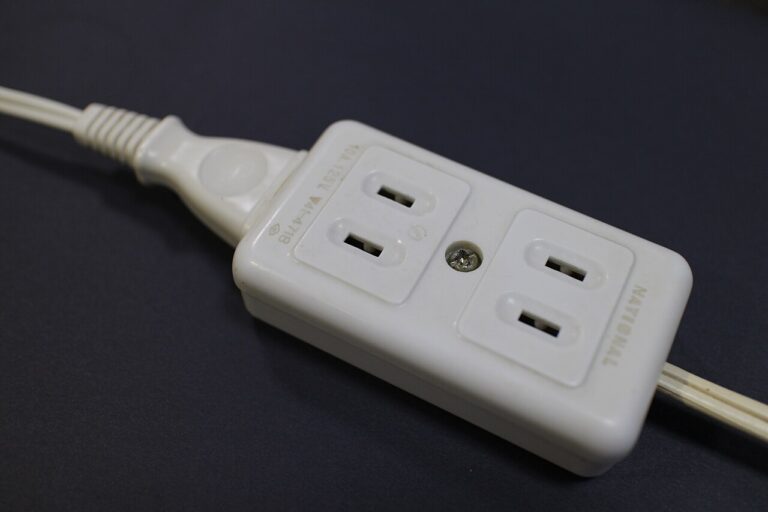
On the electrical side, USFA’s guidance is that a major appliance goes directly into the wall outlet. It says never to use an extension cord with a major appliance.
When and where to run it
NFPA says to turn the dryer off when you leave home or go to bed. Keep the area around it clear of boxes, cleaning supplies and clothing. A dryer that runs while nobody is home is a dryer nobody can respond to.
| Task | How often | Source |
|---|---|---|
| Clean the lint filter | Every load | NFPA, USFA |
| Clean lint from the vent pipe | Once a year (tip sheet) or every three months (Desk Reference) | NFPA |
| Have a gas dryer inspected | Once a year | NFPA Desk Reference |
| Check that the outdoor flap opens | When the dryer runs | USFA, NFPA |
Sources
- NFPA, Dryer safety tips (PDF), read November 2026
- U.S. Fire Administration, Clothes dryer fire safety flyer (PDF), read November 2026
- U.S. Fire Administration, Clothes Dryer Fires in Residential Buildings, 2008 to 2010 (PDF), read November 2026
- U.S. Fire Administration, Appliance and electrical fire prevention, read November 2026
- NFPA, Educational Messages Desk Reference, 2026 edition (PDF), read November 2026
FAQ
How often should I clean the dryer vent?
NFPA’s tip sheet says once a year, more often if drying takes longer. Its Desk Reference says every three months or by hiring a vent cleaning service. Choose the shorter interval if your vent run is long.
Is cleaning the lint filter enough?
No. USFA also lists the back of the dryer and the venting, and NFPA lists the vent pipe.
What kind of vent duct should I use?
NFPA advises rigid or flexible metal venting. The USFA report names plastic or vinyl exhaust material as a problem.
Can I run the dryer overnight?
NFPA says to turn it off when you leave home or go to bed.
What about clothes that smell of gasoline or solvent?
NFPA says they should dry outside, not in the dryer.
Who checked this
True Security Gear does not run a test lab and does not take units apart. One half of the work is documents: manufacturer specs, certifications, and seller claims checked against the paperwork. The other half is the record owners leave behind, in verified-buyer reviews, owner forums, and warranty complaints. Where that evidence is thin we say it is thin, rather than filling the gap with an adjective. The criteria are on How we evaluate.
Google lets you pick which sites come up first in your own results.