True Security Gear is reader-supported. When you buy through links on our site, we may earn an affiliate commission. This doesn't affect our verdicts.
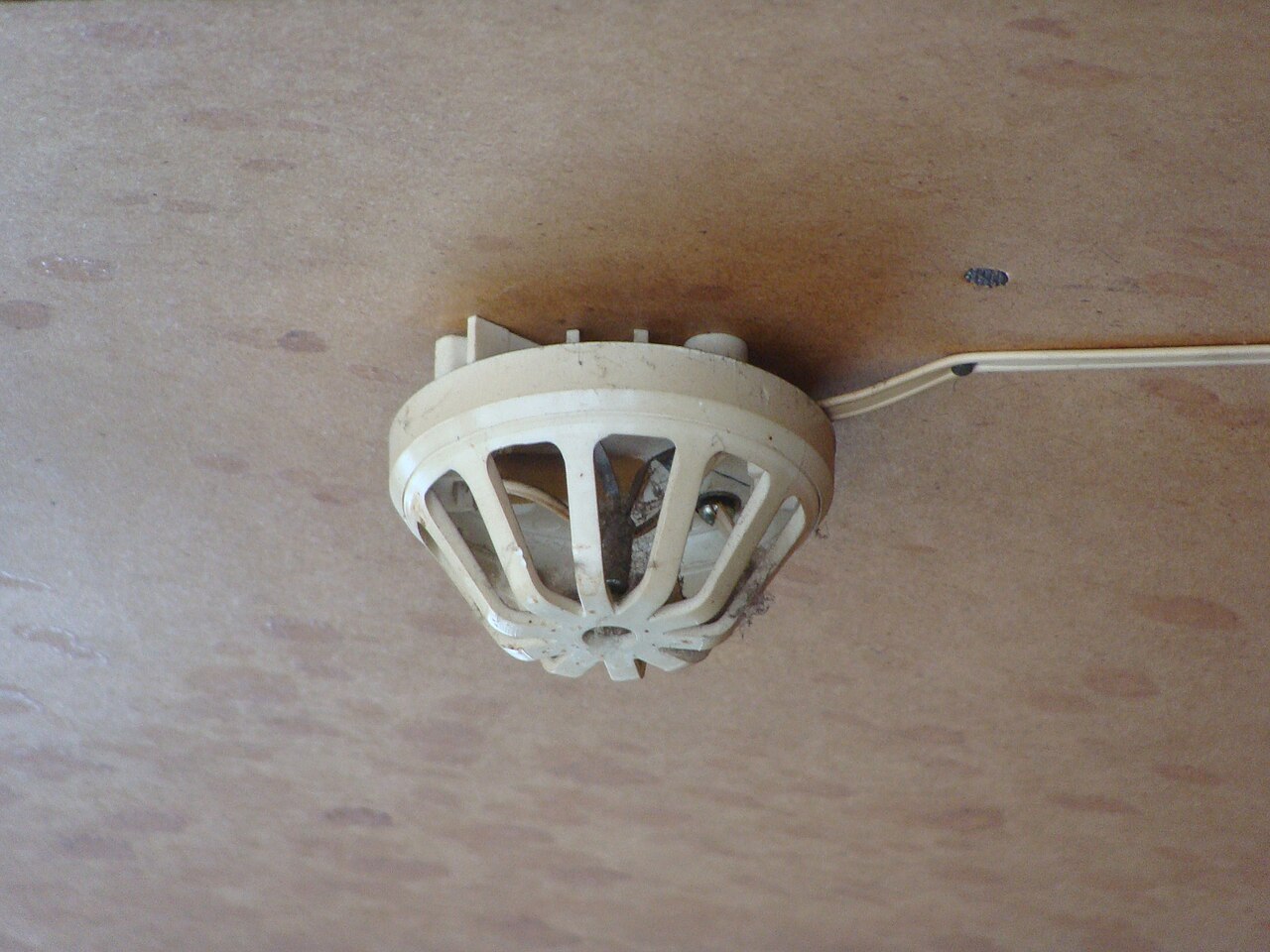
A heat alarm responds to high temperatures, not smoke, which is why the U.S. Fire Administration calls it ideal for garages. Smoke alarms, by contrast, are not required or designed for garages, and NFPA says not to install them in garages or in unfinished attics without heat or air conditioning. A heat alarm does not replace a smoke alarm in living areas. It covers the places where a smoke alarm is the wrong tool.
What each type senses
The difference is in what triggers the alarm. According to the USFA, a heat alarm is triggered by high temperatures. A smoke alarm responds to smoke particles, and the NFPA desk reference explains that ionization alarms respond more quickly to flaming fires while photoelectric alarms respond more quickly to smoldering fires. The USFA page on heat alarms is the only fetched source that names garages as an ideal spot for them, while UL’s page is the one that addresses unconditioned spaces by name. A heat alarm is a different class of device, and the sources do not describe it as faster or more sensitive than either smoke type in a living space.
| Smoke alarm | Heat alarm | |
|---|---|---|
| Responds to | Smoke (ionization, photoelectric, or both) | High temperatures |
| Garages | Not required or designed for them (USFA). NFPA says not to install. | Ideal for garages (USFA) |
| Unfinished attics without heat or A/C | NFPA says not to install. | UL describes heat alarms marked for unconditioned areas |
| Typical nuisance triggers | Temperature and humidity changes, dust, fumes, insects in garages (USFA) | Made not to be affected by those (USFA) |
| Living areas and bedrooms | Required coverage per NFPA and USFA | Not a substitute |
Why garages and attics are different
The USFA says smoke alarms in garages can go off because of temperature and humidity changes, dust, fumes and insects, and that heat alarms are made not to be affected by them. UL makes a similar argument for what it calls unconditioned spaces. UL lists attached garages, crawl spaces, attics, cottages, cabins and barns as examples, and says that temperature extremes and humidity may make a smoke alarm unsuitable there.
NFPA gives an explicit temperature window for smoke alarms: do not install them where temperatures fall below 40 degrees F or rise above 100 degrees F. A garage in January or an attic in July can leave that window.
Ratings: what the sources say
This is where the sources do not line up neatly, so each is reported as stated. The USFA says to buy a heat alarm rated between 175 and 250 degrees F, noting that lower-rated alarms can sound false alarms and higher-rated ones may sound too late to warn you of a fire. Its stated reason for the floor is that temperatures in garages can rise above 100 degrees F. UL says fixed-temperature heat alarms are commonly rated 135 degrees F or higher, and that rate-of-rise units detect rapid increases in temperature. UL adds that UL 539 sets expanded ambient temperature limits for use in unconditioned spaces, and that units meeting it are marked Unconditioned Area Heat Alarm.
These figures describe different things, and the pages used here do not reconcile them. Read the box and the manual for the specific model you are considering, and confirm that it is intended for the space you have in mind. This article also does not cite a UL 521 figure, because none of the pages fetched for it state one.
What about kitchens?
The sources used here do not recommend a heat alarm for kitchens, so this article does not either. What NFPA does say is that smoke alarms should be at least 10 feet from a cooking appliance, and as close as 6 feet for multi-criteria alarms when the manufacturer allows, and that multi-criteria alarms are designed to distinguish a fire from steam, cooking fumes or dust. The USFA’s advice for a nuisance alarm while cooking is the hush button or a towel, not disabling the alarm. For a kitchen-specific decision, ask the manufacturer or your local fire department.
Connecting and powering heat alarms
The USFA says many heat alarm models can be connected so that the smoke alarms in the house sound too when a heat alarm trips. It also recommends a heat alarm that is hard-wired with battery backup and installed by a qualified electrician in line with the manufacturer’s directions. That is a different setup from the battery-only smoke alarm you can hang with a screwdriver. If a heat alarm in a garage sounds, treat it as you would any fire alarm: get everyone out, stay out, and call the fire department from outside.
Who should ask for help
The USFA adds one placement warning of its own: do not install heat alarms near fluorescent lights, because electrical noise and flickering from the lights may affect the alarm’s operation. It also says to always follow the manufacturer’s instructions. A heat alarm in an attached garage or an attic involves choosing a rating and often wiring. Call a licensed electrician for wiring, and call your fire department’s nonemergency line if you are unsure what your home needs. The USFA notes that some fire departments install smoke alarms for free. Related reading on the garage side of the house: how to secure a garage door.
Our take
Use smoke alarms where people live and sleep, and consider a heat alarm for the spaces smoke alarms are not built for: attached garages and unheated attics. Pick a rating by reading the USFA and the model manual together, have an electrician handle the wiring, and do not treat a heat alarm as a replacement for smoke alarms in bedrooms and hallways.
Common questions about heat alarms and smoke alarms
Can a heat alarm replace a smoke alarm?
Not in living areas. The USFA presents heat alarms for spaces like garages, while NFPA and the USFA call for smoke alarms in bedrooms, outside sleeping areas, and on every level.
Why not put a smoke alarm in the garage?
The USFA says smoke alarms are not required or designed for garages, and that temperature and humidity changes, dust, fumes and insects can trigger them.
What temperature rating should a heat alarm have?
The USFA says 175 to 250 degrees F, warning that lower ratings can false-alarm and higher ones may give less warning time. UL says fixed-temperature units are commonly rated 135 degrees F or higher.
What does UL 539 cover?
UL says UL 539 sets expanded ambient temperature limits for heat alarms in unconditioned spaces, and units meeting it are marked Unconditioned Area Heat Alarm.
Can heat alarms connect to smoke alarms?
The USFA says many models can be connected so that the smoke alarms sound too.
Who checked this
True Security Gear does not run a test lab and does not take units apart. One half of the work is documents: manufacturer specs, certifications, and seller claims checked against the paperwork. The other half is the record owners leave behind, in verified-buyer reviews, owner forums, and warranty complaints. Where that evidence is thin we say it is thin, rather than filling the gap with an adjective. The criteria are on How we evaluate.
Google lets you pick which sites come up first in your own results.