True Security Gear is reader-supported. When you buy through links on our site, we may earn an affiliate commission. This doesn't affect our verdicts.
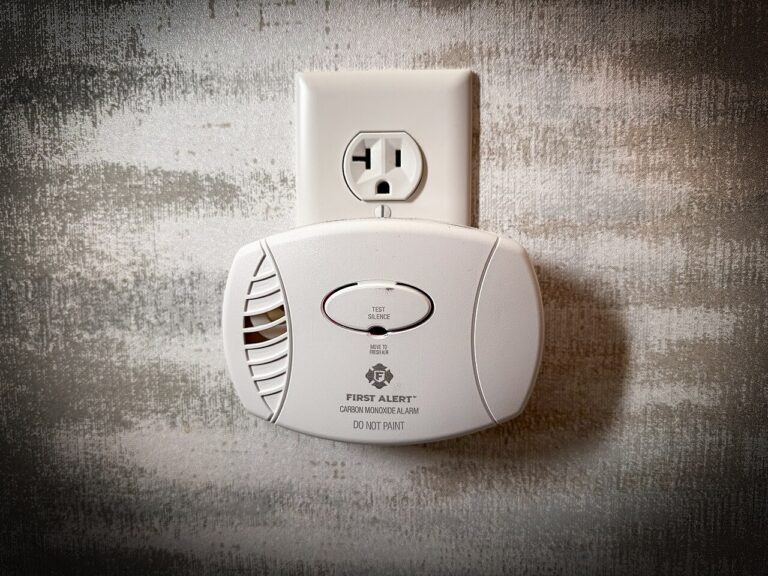
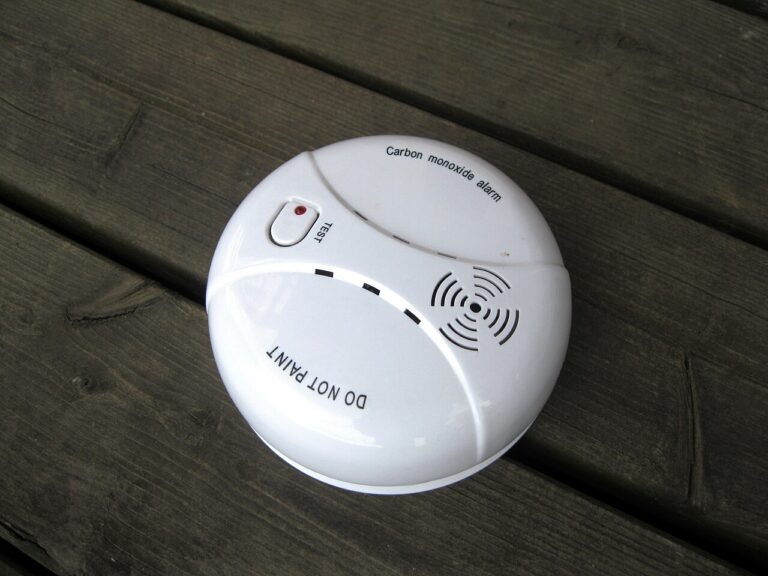
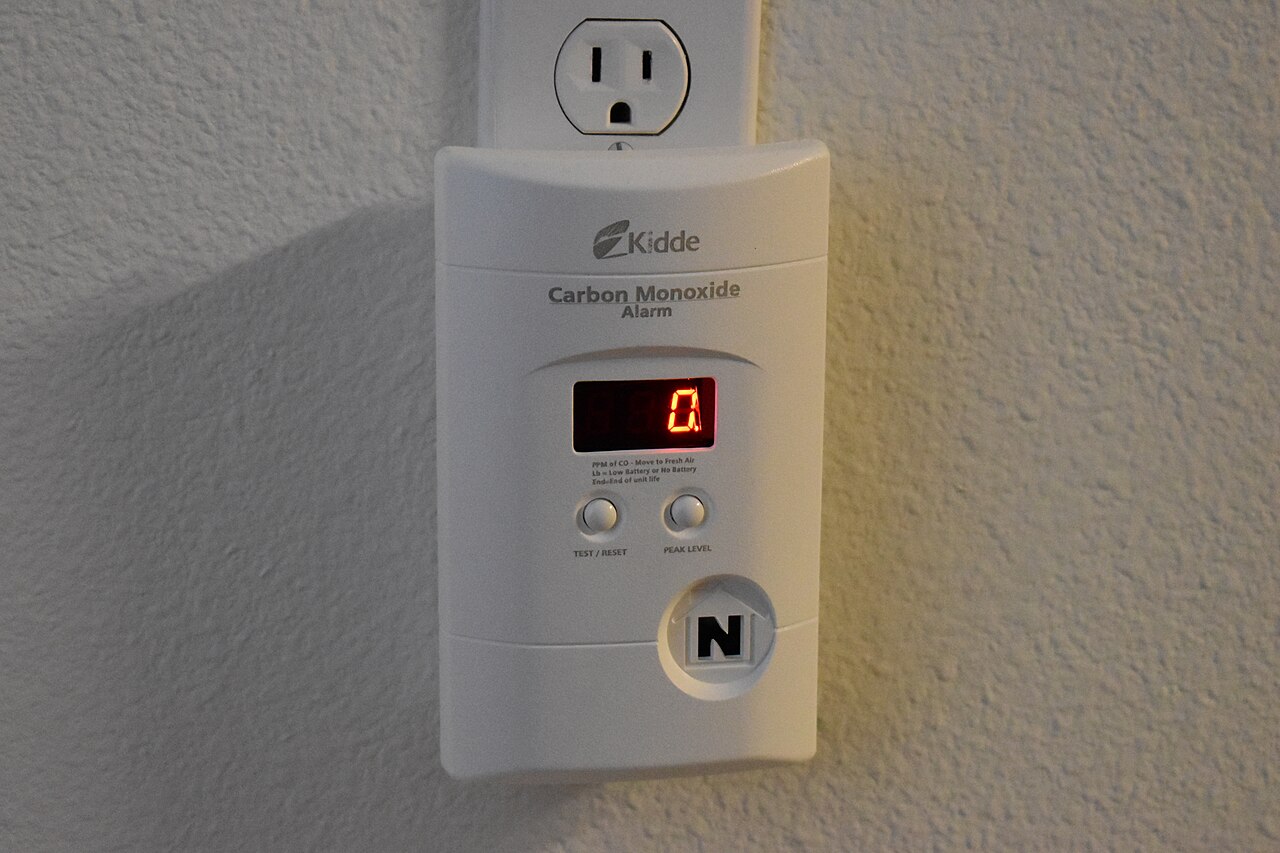
A plug-in carbon monoxide (CO) alarm is acceptable to the Consumer Product Safety Commission, with conditions. The CPSC fact sheet says CO alarms may be installed into a plug-in receptacle or high on the wall, that hard-wired or plug-in CO alarms should have battery backup, and that you should install an alarm that meets the current UL 2034 safety standard. Where plug-in units fall short is mostly about those conditions being skipped, and about where an outlet happens to be.
What the agencies actually say
The CPSC’s wording is short, so it is worth breaking down. Alarms should be battery-operated or have battery backup, installed on every level of the home and outside sleeping areas. Interconnected alarms are best, because when one sounds they all sound. The alarm should meet the current UL 2034 standard. The NFPA desk reference says the same thing in different words: choose an alarm that is listed by a nationally recognized testing laboratory.
Neither source describes how the sensing element inside a plug-in alarm works, so this article does not either. What the sources do establish is a set of checks that separate a sound plug-in alarm from a weak one.
| Check | What the sources say |
|---|---|
| Safety standard | CPSC: install an alarm that meets the current UL 2034 standard. NFPA: choose one listed by a nationally recognized testing laboratory. |
| Power | CPSC: hard-wired or plug-in alarms should have battery backup. |
| Where it goes | CPSC: on every level and outside sleeping areas, in a plug-in receptacle or high on the wall. NFPA: every sleeping room, outside each separate sleeping area, every level including the basement. |
| Things to avoid | CPSC: avoid locations near heating vents or that can be covered by furniture. |
| Linking | CPSC and NFPA: interconnected alarms are best. When one sounds, they all sound. |
| Lifespan | CPSC: alarms have a recommended replacement age, and newer ones signal end of life. NFPA: replace per the manufacturer or at the end-of-life signal. |
Where plug-in alarms fall short
The outlet decides the location
A wall-mounted alarm can go wherever makes sense for the home. A plug-in alarm can only go where there is a receptacle. Outlets sit behind beds, behind sofas, and beside heating vents. CPSC’s advice to avoid locations near heating vents or places furniture can cover is hard to follow when the only outlet in the hallway is behind a console table. When the outlet is in the wrong place, the sources point to the other CPSC option: install the alarm high on the wall instead.
Dependence on the outlet
A plug-in alarm draws power from the receptacle. The sources do not spell out what happens in an outage, but the reason CPSC asks for battery backup is plain enough. Without a backup, the alarm depends on that outlet staying live, and that includes nights when a storm takes the power out and people turn to generators and other fuel-burning equipment. Our piece on what happens to an alarm system when the power goes out makes the same point about burglar alarms.
Coverage across the home
One plug-in unit in the hall is not the same as coverage on every level. NFPA wants alarms in every sleeping room, outside each separate sleeping area, and on every level including the basement, and it recommends interconnection. A single plug-in alarm does not meet that, and units at scattered outlets are not interconnected unless the products are designed to link.
The recall warning to check before you buy
This is the clearest example of a shortfall in the record. In 2026 the CPSC warned consumers to stop using electronic combination natural gas and CO detectors sold as 4-in-1 plug-in units. The agency described them as made of white, gray, or black plastic with a digital display, and said they can fail to alert consumers to the presence of hazardous carbon monoxide. The instruction was to stop using and dispose of the products immediately, and to install new, working CO detectors. The CPSC warning adds that consumers should only buy CO detectors that meet the UL 2034 safety standard.
The warning also says the products were sold online. That is the part to take seriously when shopping: an unfamiliar plug-in unit with a digital display and no clear UL 2034 listing matches the profile the CPSC warned about. For more on how the agency’s recall record reads, see our look at the 2026 CPSC recall record.
A short buying and setup sequence
Start with the label, not the price. Look for the UL 2034 mark on the packaging or the unit, and confirm the listing before you buy. Then confirm there is battery backup. Choose the outlet by what CPSC says to avoid, not by convenience, and check whether furniture could ever cover it. After installation, test the alarm at least monthly, as NFPA advises, and replace it if it fails the test or signals end of life. CPSC adds that alarms have a recommended replacement age and that newer ones signal when they reach it, so write the install date on the unit and read the manual for that model.
When to call for help
If the alarm sounds, go outside to fresh air and call 911. CPSC says not to reenter until emergency responders give permission. If anyone has symptoms such as headache, dizziness, nausea, or confusion, NFPA says to go outside right away and call 911. A plug-in unit that stays quiet is not proof of a safe house, so the annual servicing of fuel-burning appliances recommended by NFPA and the CDC still matters.
Our take
A plug-in CO alarm can be a legitimate choice if it carries the UL 2034 listing, has battery backup, and sits where furniture and vents will not interfere. Skip any unit that cannot show the listing, and stop using any combination gas and CO plug-in matching the CPSC description in its 2026 warning. For bedrooms and hallways on separate floors, plan for several linked alarms rather than one outlet-bound unit.
Common questions about plug-in carbon monoxide detectors
Are plug-in CO detectors allowed?
The CPSC fact sheet says CO alarms may be installed into a plug-in receptacle or high on the wall.
Do plug-in CO detectors need batteries?
CPSC says hard-wired or plug-in CO alarms should have battery backup.
What standard should the detector meet?
CPSC says to install a CO alarm that meets the current UL 2034 safety standard.
Where should a plug-in alarm not go?
CPSC says to avoid locations near heating vents or that can be covered by furniture.
Should I keep using a 4-in-1 gas and CO plug-in detector?
The CPSC warning says to stop using and dispose of the detectors it describes immediately, and to install new, working CO detectors that meet UL 2034.
Who checked this
True Security Gear does not run a test lab and does not take units apart. One half of the work is documents: manufacturer specs, certifications, and seller claims checked against the paperwork. The other half is the record owners leave behind, in verified-buyer reviews, owner forums, and warranty complaints. Where that evidence is thin we say it is thin, rather than filling the gap with an adjective. The criteria are on How we evaluate.
Google lets you pick which sites come up first in your own results.