True Security Gear is reader-supported. When you buy through links on our site, we may earn an affiliate commission. This doesn't affect our verdicts.
Keep a space heater at least three feet from anything that can burn, plug it straight into a wall outlet, set it on a flat surface where it cannot tip, and switch it off when you leave the room or go to sleep. Those are the core rules from the Consumer Product Safety Commission, and they hold for electric and fuel-burning models alike.
What the numbers say about heaters
Two agencies count heater fires in different ways, so the figures should not be added together or compared line by line. The CPSC’s 2026 winter-safety release says portable heaters, which includes electric space heaters, are involved in an average of 1,600 fires a year, with an average of 70 deaths and 150 injuries a year from 2020 to 2022.
The NFPA looks at a wider category: all heating equipment, not only portable units. For 2020 to 2024 it reports annual averages of 37,365 home heating-equipment fires (11% of reported home fires), 417 civilian deaths, 1,260 injuries and $1.2 billion in property damage. Within that, space heaters and heating stoves account for about 30% of the fires but 73% of the deaths and 70% of the injuries. NFPA also found that 46% of heating fires happened from December through February.
| Source | Scope | Period | Figure |
|---|---|---|---|
| CPSC | Portable heaters, including electric space heaters | 2020 to 2022 average per year | 1,600 fires, 70 deaths, 150 injuries |
| NFPA | All home heating equipment | 2020 to 2024 average per year | 37,365 fires, 417 deaths, 1,260 injuries |
| NFPA | Space heaters and heating stoves, share of the above | 2020 to 2024 | About 30% of fires, 73% of deaths, 70% of injuries |
The takeaway is the last row. Space heaters are not the biggest source of heating fires by count, but a fire that starts from one is far more likely to kill someone.
The placement rules
The CPSC’s guidance is to keep the heater three feet from the front, the sides and the rear, and three feet from drapes, furniture, bedding and other combustibles. NFPA gives the same three-foot figure for anything that can burn near heating equipment. This is not a suggestion for a corner of the room; in a small bedroom it can decide whether a heater makes sense at all.
The surface matters as much as the clearance. The CPSC says to place the heater on a stable, flat surface where it cannot be knocked over. In its older tips it specifies a level, hard, nonflammable surface and warns against putting a heater on a rug. Keep children and pets away from it, and look for a guard around the heating element.
Power: wall outlet only
CPSC guidance is consistent here: plug the heater directly into a wall outlet, never into an extension cord or a power strip. Heaters draw a lot of current for a long time, and the cord and strip are the weakest links in that chain.
CPSC also tells you what to do if something feels wrong. If the plug, cord, wall outlet or faceplate is hot to the touch, turn the heater off and have an electrician inspect the outlet before you use it again. If you see smoke, smell burning, or see a flame, leave the room and call 911; do not carry a smoking heater through the house.
Choose a heater that has been tested
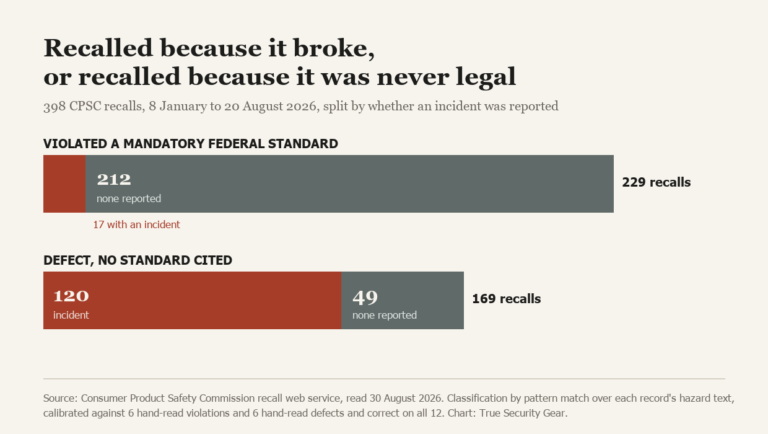
The CPSC advises buying a heater with the seal of a nationally recognized testing laboratory, UL being the example it gives. Before buying, you can also check whether a model has been recalled. For context on how recalls work, see what the CPSC recall record shows; the agency’s own recall pages are the final word.
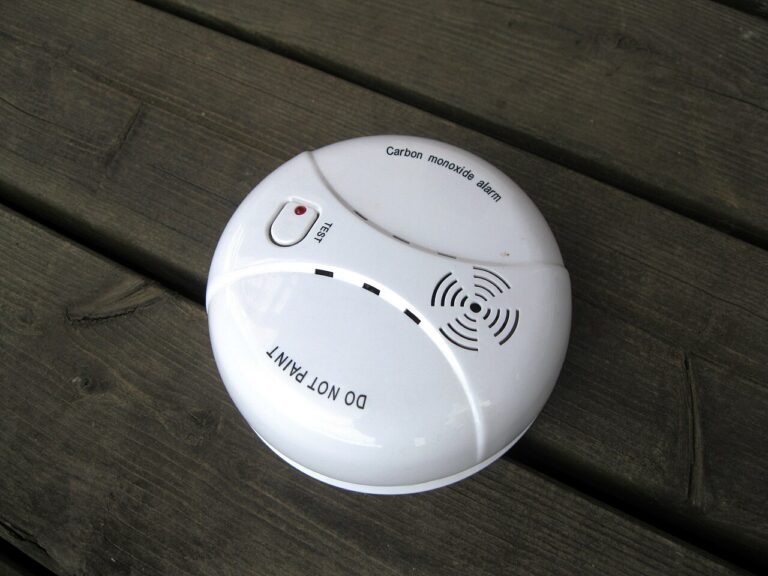
Fuel-burning heaters add their own risks. The CPSC says never to refuel a heater while it is running and to let it cool first. Kerosene units should burn only water-clear 1-K kerosene. The same tips say gas and kerosene heaters should be inspected annually, that mobile homes need heating equipment specifically designed for them, and that you should have a smoke alarm on each level and a carbon monoxide alarm outside sleeping areas. Test the smoke alarms monthly.
Before each heating season
A quick routine covers most of the guidance above. Inspect the plug, the cord and the wall outlet it will use, and replace or repair anything damaged before you plug in. Clear the three-foot zone, and move the heater off any rug. Test every smoke alarm, and check that a carbon monoxide alarm sits outside the sleeping areas if you burn fuel anywhere in the home. NFPA also found that 19% of heating fires began in the kitchen or cooking area, which is a reminder that a heater parked near a counter or stove sits in a room with other fire sources.
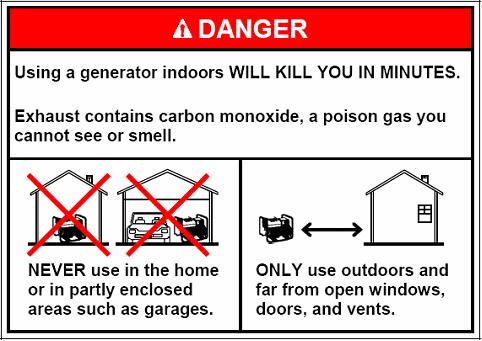
If anyone in the home sleeps in a room that has no other heat source, treat that as a reason to look at the building’s heating, not as a reason to run a portable unit all night. The CPSC release is also a good place to read how it treats generators and furnaces, because the same winter produces several different hazards.
Never unattended, never while asleep
The CPSC says not to leave a space heater unattended or running while you sleep. Nothing else on this list is as often ignored, because the heater feels like the thing that makes sleep possible on a cold night. If you need warmth in a bedroom, heat the room before bed and turn the unit off.
Our take
A space heater is safe in the way a candle is safe: when you are in the room, watching it, with nothing flammable within three feet. The statistics say the danger is concentrated in the deaths, not the fire count, so the bedroom overnight is the one place to say no.
Common questions about space heater safety
How far should a space heater be from furniture and curtains?
At least three feet, according to the CPSC and NFPA. The CPSC applies that to the front, sides and rear of the heater, and to drapes, furniture, bedding and other combustibles.
Can I plug a space heater into an extension cord?
No. The CPSC says to plug heaters directly into a wall outlet and never into an extension cord or a power strip.
Is it safe to run a space heater overnight?
The CPSC says not to leave a heater unattended or running while you sleep. Turn it off before bed.
What does it mean if the plug or outlet is hot?
The CPSC says to turn the heater off and have an electrician inspect it. A hot plug, cord, outlet or faceplate is a warning sign. If you see smoke or flames, get out and call 911.
Do fuel-burning heaters need extra care?
Yes. Never refuel while it is running, let it cool first, and use only water-clear 1-K kerosene in a kerosene heater. Have a carbon monoxide alarm outside sleeping areas.
Who checked this
True Security Gear does not run a test lab and does not take units apart. One half of the work is documents: manufacturer specs, certifications, and seller claims checked against the paperwork. The other half is the record owners leave behind, in verified-buyer reviews, owner forums, and warranty complaints. Where that evidence is thin we say it is thin, rather than filling the gap with an adjective. The criteria are on How we evaluate.
Google lets you pick which sites come up first in your own results.