True Security Gear is reader-supported. When you buy through links on our site, we may earn an affiliate commission. This doesn't affect our verdicts.
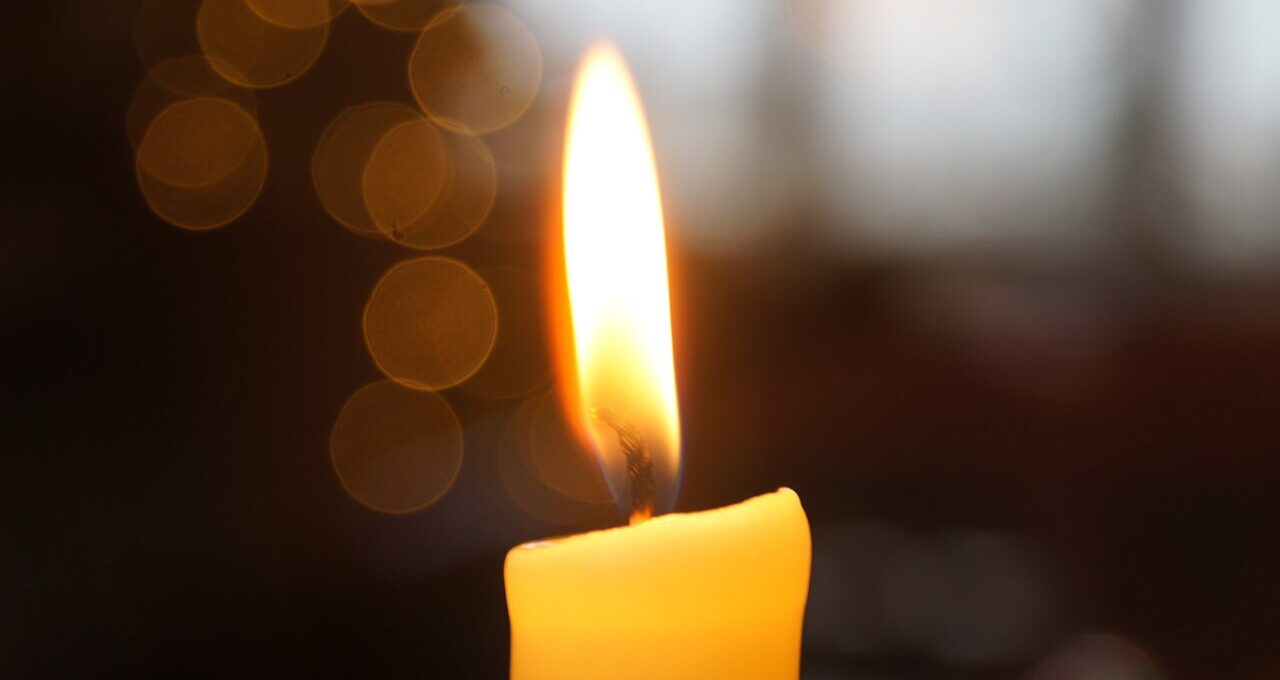
Keep a candle at least 12 inches from anything that can burn, set it in a sturdy holder, and put it out before you leave the room or go to sleep. Do not light candles in bedrooms, bathrooms or sleeping areas. Where nobody will be watching, a flameless candle removes the flame entirely.
How common candle fires are
The U.S. Fire Administration, citing NFPA, says that on average 20 home candle fires are reported each day. The figure sits on USFA’s candle page, last reviewed in April 2023.
The pattern behind those fires is rarely dramatic. A candle burns near a curtain, gets knocked over, or is left going after everyone has gone to bed. The advice below targets those situations.
Distance and placement
USFA and Ready.gov both set the distance at 12 inches from anything that can burn. NFPA’s Educational Messages Desk Reference gives the same number and adds a few details.
- Keep candles at least 3 inches apart from each other.
- Do not place lit candles in windows where blinds and curtains can close over them.
- Use sturdy, heat-resistant holders, so a bump does not tip the candle.
- Never use a candle where medical oxygen is in use.
The USFA candle page also recommends sturdy holders, and extinguishing candles before you leave the room or the house.
Bedrooms and sleeping
USFA and NFPA both advise against lit candles in bedrooms, bathrooms and sleeping areas. Extinguish every candle before you go to bed. Sleep is the one time you cannot react if something goes wrong.
How long to burn and how to put it out
NFPA’s Desk Reference, section 14.2.2.2, says a candle should generally burn no longer than four hours, with at least two hours of cooling before it is lit again.
To extinguish, use a snuffer. NFPA says never to use water to put out a candle.
Power outages
Outages are when people reach for candles. USFA and NFPA both say to use a flashlight instead. Put fresh batteries in one and keep it where you can find it in the dark.
Why a small flame deserves respect
Ready.gov states that a small flame can become a major fire in under 30 seconds. It also says a residence can be engulfed in five minutes, and that a fire can become life-threatening in just two minutes. In a room fire, Ready.gov says the temperature can reach 100 degrees Fahrenheit at the floor and 600 degrees at eye level.
Those numbers explain why the guidance leans on prevention. A candle on a nightstand does not give you a minute to think about where the curtain is.
If a candle sets something alight
The sources reviewed here do not lay out a candle-specific response, so the general rules apply. NFPA says never to use water to extinguish a candle. If a fire is more than you can put out immediately, the message is the one USFA and NFPA repeat: when in doubt, just get out. Close the door behind you, go to your meeting place and call 9-1-1 from outside.
Ready.gov also advises crawling low under smoke and feeling a closed door before opening it. If you are trapped, it says to seal gaps around the door and signal from a window.
A room-by-room walk-through
A quick pass through the house catches most of the problems the guidance describes.
- Bedrooms and bathrooms: no lit candles, per USFA and NFPA. If you keep decorative candles there, keep them unlit or swap in flameless ones.
- Windows: look at what hangs beside them. Blinds and curtains that can swing over a flame are the case NFPA singles out.
- Living areas: measure 12 inches from the flame to the nearest shade, paper, decoration or furniture edge.
- Anywhere oxygen is used for medical reasons: no candle at all.
- Outage kit: a flashlight with working batteries, kept where you can reach it without light.
Flameless candles
USFA lists flameless candles as an option, and so does NFPA. They give the look without the flame, which suits homes with young children or pets, and any room where a candle might otherwise burn unattended.
A short checklist
| Before you light it | Before you leave or sleep |
|---|---|
| 12 inches of clear space on every side | Put out every flame |
| Sturdy, heat-resistant holder | Check bedrooms and bathrooms |
| Not in a window with curtains or blinds | Use a snuffer, not water |
| Not near oxygen equipment | Allow at least two hours of cooling before relighting |
Sources
- U.S. Fire Administration, Candle fire prevention, read November 2026
- NFPA, Educational Messages Desk Reference, 2026 edition (PDF), read November 2026
- Ready.gov, Home fires, read November 2026
- U.S. Fire Administration, Cooking fire safety flyer (PDF), read November 2026
FAQ
How far should a candle be from curtains?
At least 12 inches from anything that can burn, per USFA, NFPA and Ready.gov. NFPA also says not to put lit candles in windows where blinds and curtains can close over them.
Is it safe to leave a candle burning while I sleep?
No. USFA and NFPA say to extinguish candles before sleeping.
How long can a candle burn?
NFPA’s Desk Reference says generally no longer than four hours, then at least two hours of cooling before relighting.
Can I put out a candle with water?
NFPA says never to use water. Use a snuffer.
What should I use when the power goes out?
A flashlight. Both USFA and NFPA recommend it over candles.
Are flameless candles a reasonable substitute?
USFA and NFPA both list them as an option. They remove the open flame, which is the source of the fire risk the guidance addresses.
Who checked this
True Security Gear does not run a test lab and does not take units apart. One half of the work is documents: manufacturer specs, certifications, and seller claims checked against the paperwork. The other half is the record owners leave behind, in verified-buyer reviews, owner forums, and warranty complaints. Where that evidence is thin we say it is thin, rather than filling the gap with an adjective. The criteria are on How we evaluate.
Google lets you pick which sites come up first in your own results.