True Security Gear is reader-supported. When you buy through links on our site, we may earn an affiliate commission. This doesn't affect our verdicts.
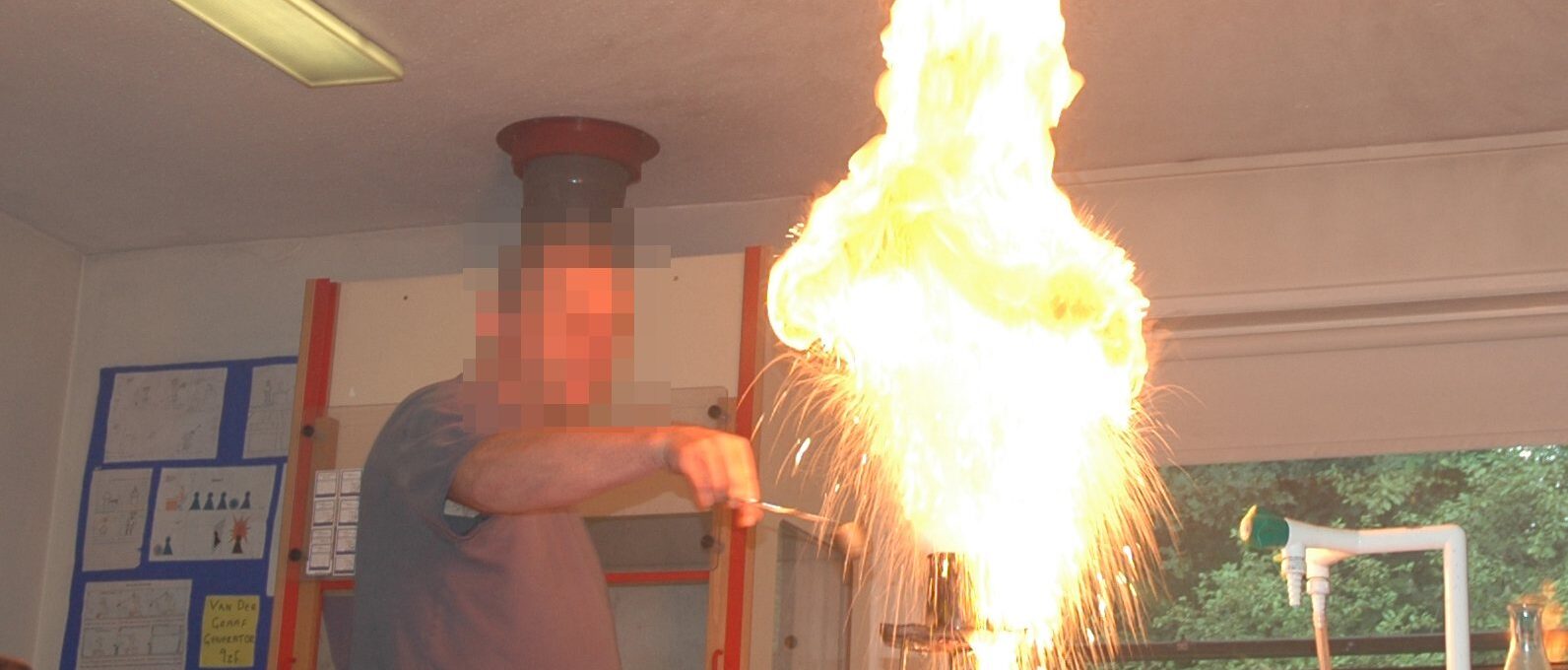
If grease in a pan catches fire, slide a lid or a baking sheet over the pan, turn off the burner, and leave the pan where it is. Never throw water on it. Keep the lid on until the pan has cooled. If the flames spread beyond the pan, get everyone outside and call 9-1-1 from there.
Why the kitchen is where it starts
The U.S. Fire Administration calls cooking the leading cause of home fires and home fire injuries. For 2021 it estimates 170,000 home cooking fires, with 135 deaths, 3,000 injuries and more than $494 million in property loss. Unattended equipment was the leading ignition factor in the nonconfined cooking fires, at 37%.
That last number is the useful one. A pan of oil left on high heat while you answer the door or check a message does not announce itself. The USFA cooking flyer puts it plainly: fires start when the heat is too high, and the fix is to stand by your pan.
What to do when the pan is burning
The sequence from the USFA flyer and the NFPA educational messages is short, and the order matters.
- Do not move the pan. NFPA’s message is to leave it where it is.
- Slide the lid or a baking sheet over the pan so the flames are cut off from air.
- Turn off the burner.
- Leave the lid on until the pan is cool, so the fire cannot restart.
Keeping a lid or baking sheet within reach of the stove is the part that makes this possible. If the lid is in a cabinet across the kitchen, the time you have is gone before you find it.
Water makes it worse
Both the USFA and NFPA are blunt here: never try to stop a grease or oil fire with water, and never pour water on a burning cooking pan. The lid is the answer, not whatever liquid happens to be nearby.
Extinguishers and the oven
NFPA notes that only Class K extinguishers are designed for grease and animal fat fires, and that they should be used by trained adults. If you are not sure what class your extinguisher is, read its label before you count on it for a pan fire.
An oven fire is different, because the fire is in a closed box. NFPA advises turning off the heat and keeping the door closed until the oven is cool. When you open it, open it only once you are confident the fire is out, and stand to the side. After any oven fire, have a licensed professional check or service the oven before you use it again.
| Situation | Do this | Do not |
|---|---|---|
| Small fire in a pan | Lid or baking sheet on top, burner off, pan stays put | Carry the pan to the sink or outside |
| Fire in the oven | Heat off, door shut until cool | Open the door to look |
| Fire growing or you are unsure | Everyone out, close the door behind you, call 9-1-1 from outside | Go back in for anything |
When to stop fighting it
USFA’s rule is “when in doubt, just get out.” Get everyone outside, go to your meeting place, and call the fire department from outside. NFPA adds that you should close the door behind you when you leave. Ready.gov points to the speed involved: a small flame can become a major fire in under 30 seconds. That is not enough time to decide twice.
Habits that keep it from happening
Most of the advice is about the first minute of cooking, not the last one.
- Turn the burner off if you leave the kitchen, even briefly.
- Turn it off if you see smoke or the grease starts to boil.
- Turn pot handles toward the back so they cannot be bumped.
- Move towels, food packaging, oven mitts and curtains away from the stovetop.
- Wear short or tightly rolled sleeves.
- Keep children and pets at least 3 feet from a hot stove.
The USFA flyer also lists a less obvious one: stay alert and awake. Alcohol and some drugs make you sleepy, and a stove is a poor place to be drowsy.
If someone is burned, Ready.gov advises running cool water over the burn for 3 to 5 minutes.
Sources
- U.S. Fire Administration, Cooking fire prevention, read November 2026
- U.S. Fire Administration, Cooking safety flyer (PDF), read November 2026
- NFPA, Educational Messages Desk Reference, 2026 edition (PDF), read November 2026
- Ready.gov, Home fires, read November 2026
FAQ
Can I use baking soda on a grease fire?
The sources reviewed here recommend a lid or baking sheet and nothing else for a small pan fire. They do not recommend baking soda, so do not count on it.
Should I carry a burning pan outside?
No. NFPA’s message is to leave the pan where it is, slide the lid on and turn off the burner.
How long should the lid stay on?
Until the pan has cooled. Both USFA and NFPA say to keep the lid on until then.
Is a regular fire extinguisher safe on grease?
NFPA says only Class K extinguishers are designed for grease and animal fat fires, and that trained adults should use them. Check the label before you rely on any extinguisher.
When do I call 9-1-1?
Call once you are outside if the fire is not clearly out, if it has left the pan, or if you are in doubt. Never go back inside a burning building.
Who checked this
True Security Gear does not run a test lab and does not take units apart. One half of the work is documents: manufacturer specs, certifications, and seller claims checked against the paperwork. The other half is the record owners leave behind, in verified-buyer reviews, owner forums, and warranty complaints. Where that evidence is thin we say it is thin, rather than filling the gap with an adjective. The criteria are on How we evaluate.
Google lets you pick which sites come up first in your own results.