True Security Gear is reader-supported. When you buy through links on our site, we may earn an affiliate commission. This doesn't affect our verdicts.
A home fire escape plan is a floor plan with two ways out of every room, one outside meeting place that everyone knows, and a drill you actually run twice a year. The American Red Cross warns that you may have as little as two minutes to get out, and the National Fire Protection Association says the time can be one or two minutes from the moment the alarm sounds. A plan that lives only in your head does not survive that.
Start with alarms, then draw the map
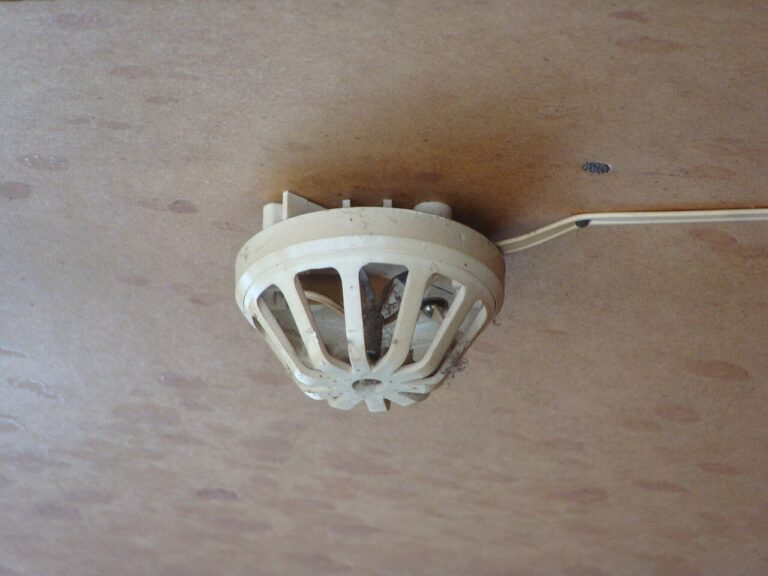
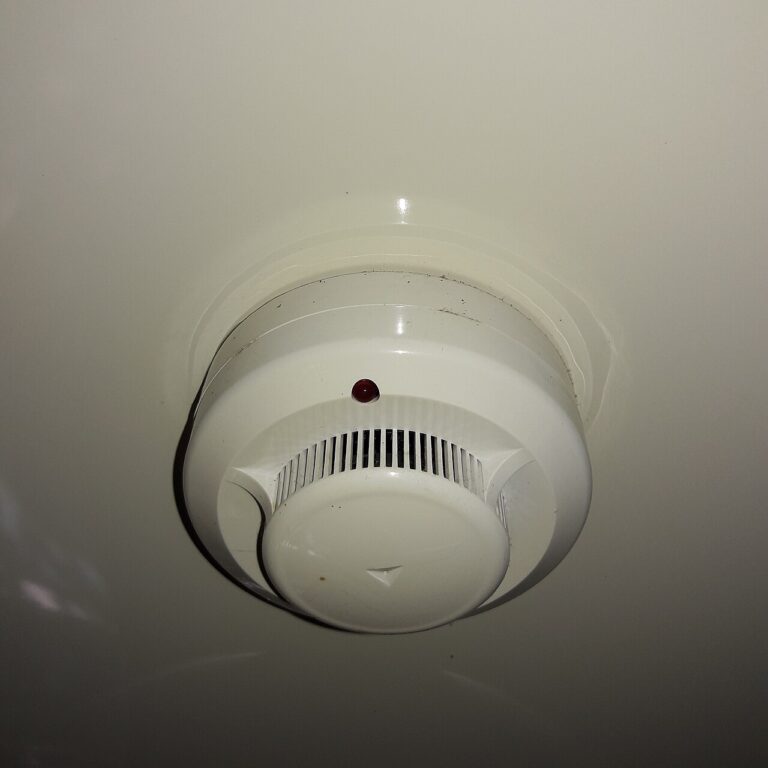
The plan assumes you hear the fire early. NFPA says alarms belong in every sleeping room, outside each sleeping area and on every level of the home, and that NFPA 72 calls for them to be interconnected so one sounding sets off the rest. The Red Cross gives the same placement and adds a monthly test.
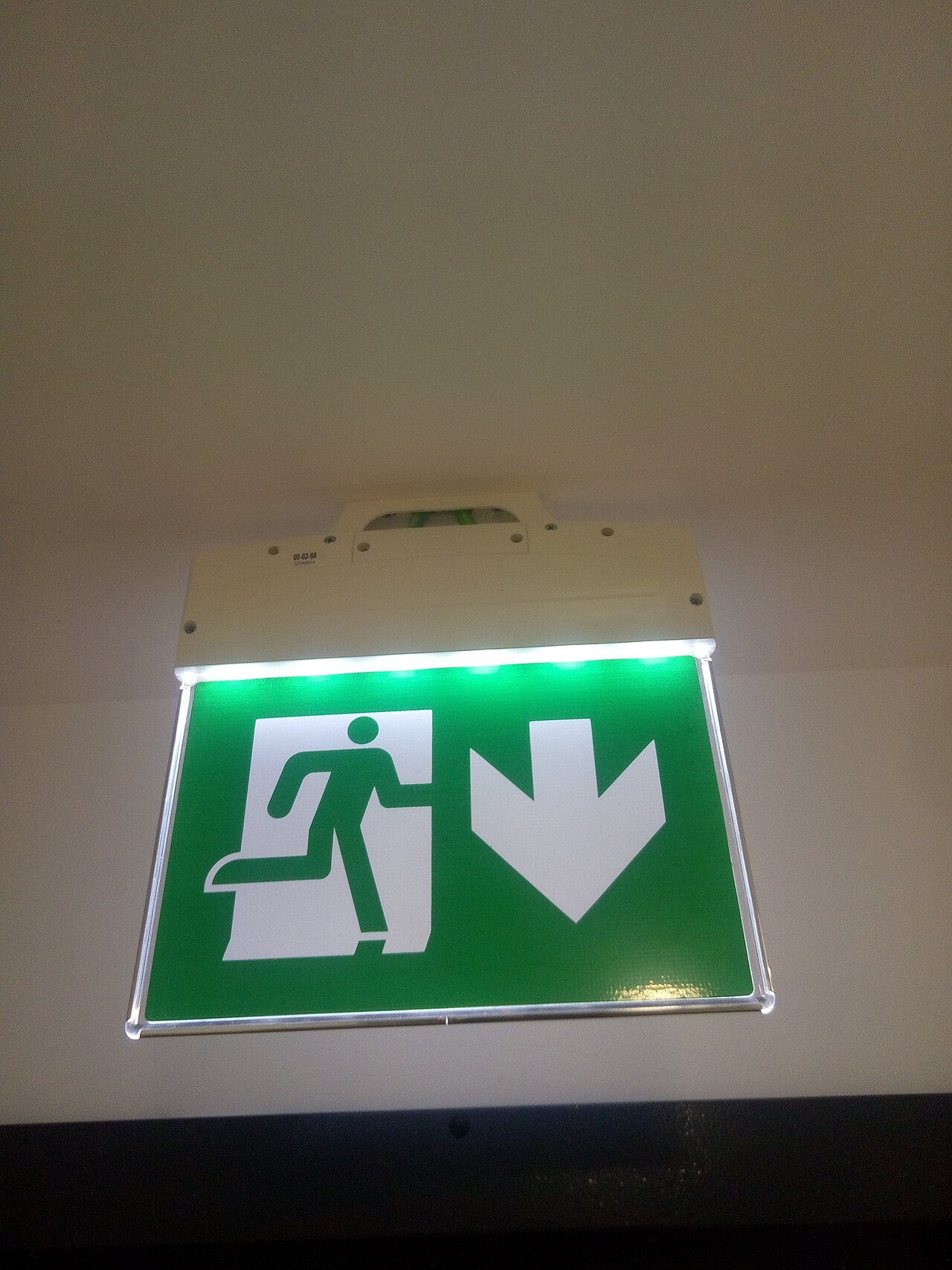
Then sit down with paper and draw each floor. Mark every door and window, and mark where each alarm hangs. For every room, NFPA asks for two ways out. The usual pair is a door and a window, which is why the next step is physical: walk through the house and confirm that each door opens and each window actually slides, unsticks and clears the screen. A window that has been painted shut is not an exit, and you would rather learn that on a Saturday afternoon.
Security bars deserve a specific check. NFPA says bars on windows and doors need an emergency release that works from the inside. Learn how yours operates before you need it. If you rent and wonder what you can change, the guide on apartment window security covers the trade-offs between locking a window and keeping it usable as an exit.
Choose the meeting place
Pick one spot outside, a safe distance in front of the home. NFPA’s examples are a neighbor’s house, a light post, a mailbox or a stop sign. The point of one fixed place is counting: when the family gathers there, anyone missing is obvious within seconds, and no one goes back in to look. NFPA says to tell the dispatcher if someone has not come out, and to leave the searching to the fire department.
Two small details are easy to skip. Make sure the street number is visible from the road so responders can find the house, and have everyone memorize the fire department’s number. NFPA lists both.
Assign helpers and cover the hard cases
Not everyone can get out alone. NFPA says to assign a helper for infants, older adults and people with limited mobility, and a backup helper in case the first one is not home. Children are the case that surprises families: NFPA recommends testing if your children wake up to the alarm. If they sleep through it, an adult needs to be the one who wakes them, and that goes into the plan in writing.
Visitors count too. Tell overnight guests where the exits are and where to meet, because a guest in a spare room is the person least likely to know which door sticks.
| Situation | What the sources say to do |
|---|---|
| Smoke in the room | Get low and go; close doors behind you as you leave |
| Second-floor bedroom | Plan an exit; an escape ladder is an option, practiced from a first-floor window |
| Someone is missing outside | Stay out and tell the dispatcher |
| Trapped inside | Close the door, seal cracks and vents with duct tape or towels, call with your exact location, signal at a window |
| High-rise or apartment building | Defending in place may be safer than going into a smoky hallway |
When you cannot get out
NFPA describes what to do if the route is blocked. Close the door, seal gaps and vents with duct tape or towels, and open a window at the top and bottom if you can. Call 911 and give your exact location, even if you think the dispatcher already knows. Signal with a flashlight or a light-colored cloth at the window. For people in high-rise or apartment buildings, NFPA notes that staying put may be safer than entering a hallway full of smoke.
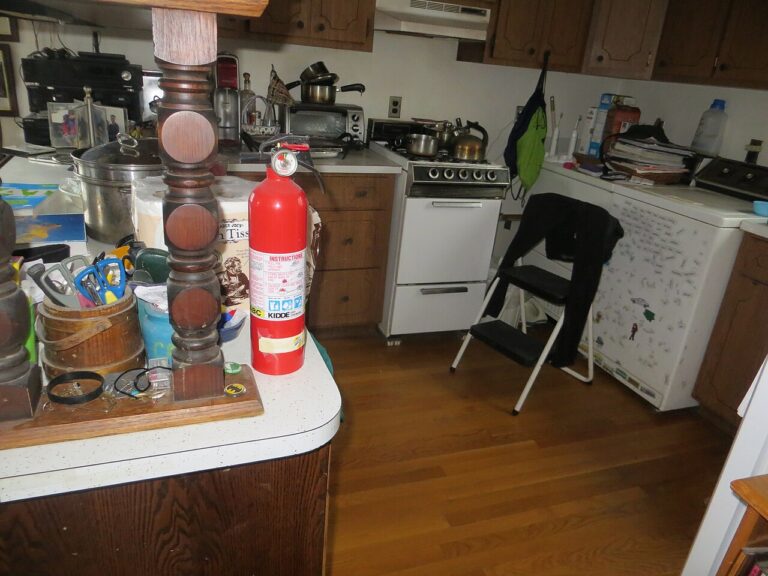
This is the reverse of the usual advice, which is why it belongs in a plan you rehearsed rather than one you improvise. The Red Cross puts the general rule bluntly: get out, stay out and call for help, and never go back inside for anything or anyone. Do not stop to grab a laptop or a pet carrier. A small extinguisher can help in the first seconds of a confined fire, but only with an exit at your back.
Practice, and make it realistic
Both organizations say to run the drill twice a year. NFPA adds that it should feel as real as you can make it. Try it once at night, once with the main exit declared blocked, and once with a child who has to be woken. Time it. If getting everybody to the mailbox takes four minutes, the plan has a problem, and it is much better to find that out with the smoke alarm silent.
Get low under smoke and keep doors closed behind you as you go, since NFPA lists both. Update the plan when anything changes, such as a new bedroom, a new baby or a grandparent moving in.
Our take
The plan is short enough to fit on one page, and the page is not the point. The drill is. Two exits per room, one meeting spot and a twice-a-year run-through will do more than any gadget, and every home with sleepers upstairs should have tested its escape route at least once.
Common questions about home fire escape plans
How much time do I have to escape a house fire?
The Red Cross says you may have as little as two minutes, and NFPA says the time can be one or two minutes once the alarm sounds. That is why the plan needs to be practiced, not just written.
How often should we practice a fire drill at home?
Twice a year, according to both NFPA and the Red Cross. NFPA suggests making each drill as realistic as possible, including checking whether children wake up to the alarm.
Where should the meeting place be?
A safe distance in front of the home, such as a neighbor’s house, a light post, a mailbox or a stop sign. Everyone goes to the same spot so you can tell right away if someone is missing.
What if I live in an apartment or high-rise?
NFPA says residents of high-rise or apartment buildings may be safer defending in place if the hallway is filled with smoke. Know your building’s exits and follow its fire plan.
Should I go back inside for a person or a pet?
No. The Red Cross says never to go back inside for anything or anyone. Tell the dispatcher who is missing and leave the search to the fire department.
Who checked this
True Security Gear does not run a test lab and does not take units apart. One half of the work is documents: manufacturer specs, certifications, and seller claims checked against the paperwork. The other half is the record owners leave behind, in verified-buyer reviews, owner forums, and warranty complaints. Where that evidence is thin we say it is thin, rather than filling the gap with an adjective. The criteria are on How we evaluate.
Google lets you pick which sites come up first in your own results.